

CBD Tincture vs CBD Oil: Key Differences Explained
Posted by Steve Schultheis on Apr 15th 2025
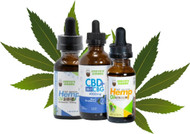
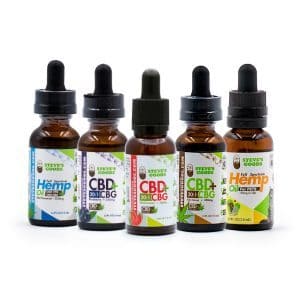
CBD oil and a CBD tincture differ in what the extract is suspended in: oil uses a carrier such as MCT or hemp seed oil, while a traditional tincture uses high-proof alcohol. Both come in dropper bottles labeled in milligrams. Steve’s Goods sells its full-spectrum bottle as CBD Hemp Oil Tincture, made in Louisville, Kentucky.
CBD Tincture vs. CBD Oil: Key Differences Explained 2026
Quick Answer: CBD Tincture vs CBD Oil
CBD oil suspends cannabidiol extract in a carrier oil (usually MCT or hemp seed oil) and tastes mild. A traditional CBD tincture suspends the extract in high-proof alcohol and tastes sharper but stores longer. Both are taken sublingually. Pick CBD oil for taste and recipe versatility; pick a tincture for shelf life and herbal blends.
CBD oil and tinctures are often used interchangeably—but they aren’t the same. Whether you’re new to CBD or want to fine-tune your wellness routine, knowing the difference between these two formats can help you make the right choice. In this guide, we break down what sets them apart, how to use them effectively, and the creative ways you can incorporate CBD oil into your daily life.
What is CBD?
CBD (cannabidiol) is a non-psychoactive cannabinoid derived from the hemp plant. Unlike THC, it won’t get you high and is legal in all 50 U.S. states if derived from hemp with <0.3% THC. CBD interacts with your endocannabinoid system (ECS) to support everyday balance, mood, and rest.
CBD products come in various forms: oils, tinctures, edibles, topicals, and more—each offering different onset times and bioavailability.
What is CBD Oil?
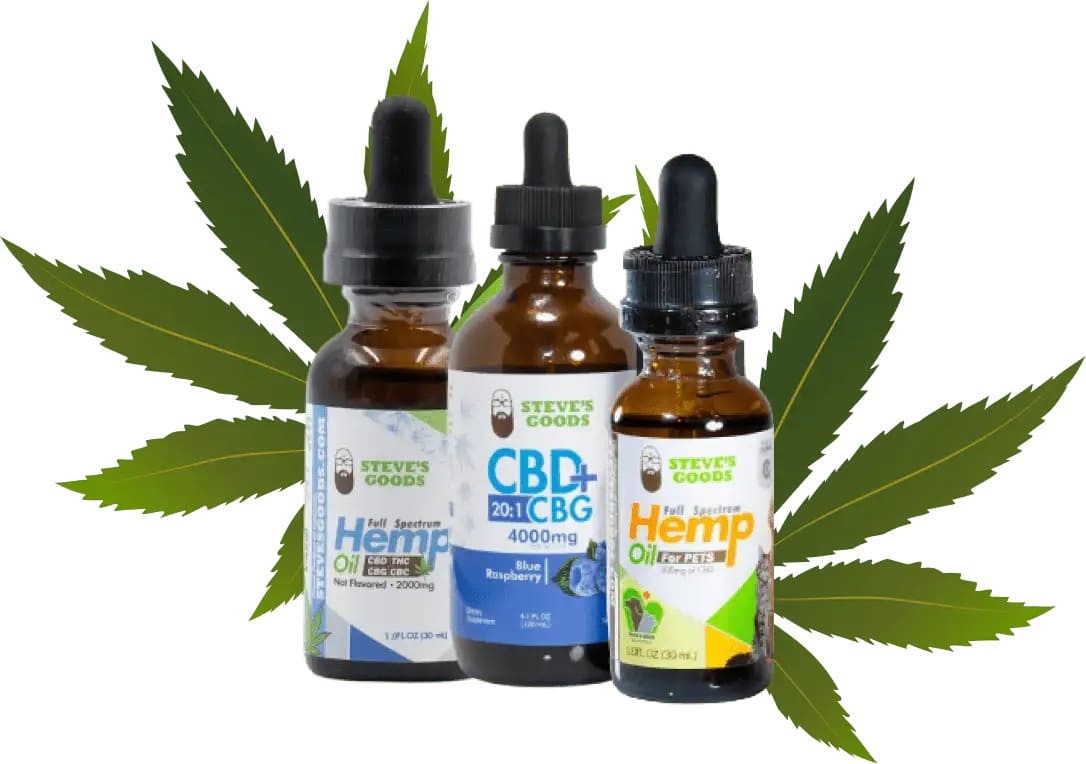
CBD oil is typically made by extracting cannabinoids from hemp using CO2 or solvent-based extraction methods, then diluting the result in a carrier oil like MCT coconut oil or hemp seed oil. It may contain other cannabinoids (full-spectrum), be refined to exclude THC (broad-spectrum), or be made purely with CBD isolate.
Common Ingredients:
-
CBD extract
-
Carrier oil
-
Natural flavoring or terpenes (optional)
How It’s Taken: Sublingually (under the tongue), mixed with food or drinks.
Benefits: Fast-acting, versatile, clean-tasting, widely available.
What is a CBD Tincture?
A traditional CBD tincture is alcohol-based. It uses high-proof alcohol to extract CBD from the hemp plant, and may include added herbs, vitamins, or melatonin.
Common Ingredients:
-
Alcohol (ethanol)
-
CBD extract
-
Flavoring agents or herbal additives
How It’s Taken: Sublingually or added to food and drinks.
Downside: Bitter taste, unless masked with sweeteners or glycerin.
Key Differences Between CBD Oil and CBD Tincture
| Feature | CBD Oil | CBD Tincture |
|---|---|---|
| Base | Carrier oil (e.g., MCT) | Alcohol-based |
| Taste | Milder, can be flavored | Often bitter, requires sweeteners |
| Shelf Life | Stable, but shorter than alcohol | Long shelf life |
| Use in Recipes | Better suited | Can be mixed, but the taste varies |
| Absorption | Sublingual or digestive | Sublingual or digestive |
How CBD Oil is Made: Extraction Methods
1. CO2 Extraction (Most Common)
-
Clean, efficient, and produces potent full-spectrum extracts
-
Uses high pressure and temperature to isolate cannabinoids
2. Olive Oil Extraction
-
Simple, safe, but perishable
-
Often used for homemade CBD oils
3. Solvent Extraction (Ethanol/Isopropyl)
-
Effective but risky due to potential residue
-
Removes plant waxes but may extract chlorophyll
Is CBD Oil or Tincture More Potent?
CBD oils are generally more potent because they preserve more cannabinoids and plant compounds. However, potency also depends on the concentration, quality of hemp, and extraction method. Tinctures can be equally effective with proper dosing.
Tip: If you’re sensitive to alcohol, go with oil. If you want longer shelf life or faster absorption, tinctures may appeal more.
How to Use CBD Oil Effectively
Sublingual (Under the Tongue)
-
Most efficient method for fast effects
-
Hold for 30–60 seconds before swallowing
Mix with Food or Drink
-
Add to coffee, smoothies, and salad dressings
-
Avoid heating excessively, which can degrade cannabinoids
Bake Edibles
-
Incorporate into cookies or brownies
-
Calculate dosage carefully to avoid inconsistency
Creative Ways to Use CBD Oil
-
Morning coffee booster
-
Sleep aid in bedtime tea
-
Post-workout recovery shake
-
DIY massage oil
-
In your pet’s food (with pet-safe formulas)
Can You Take CBD Oil Daily?
Yes—daily use enhances effectiveness over time. CBD builds up in your system, and many users report better results with consistent dosing.
Start with 10–20mg per day and adjust gradually based on results and your goals. Always consult a physician, especially if on medication.
What to Look for in High-Quality CBD Oil
-
✅ Third-party lab tests
-
✅ THC-compliant (<0.3%)
-
✅ Transparent labeling
-
✅ U.S.-grown hemp
-
✅ Organic, non-GMO ingredients
Avoid products with artificial colors, unclear labeling, or lacking lab results.
Can You Give CBD Oil to Pets?

Yes! Specially formulated pet CBD oils are made with pet-friendly ingredients like wild-caught salmon oil. They are a calming addition to your pet’s routine—especially during storms or fireworks.
Try Steve’s Goods CBD Oil for Pets or CBD Dog Treats.
Why Choose Steve’s Goods for CBD Oils and Tinctures?
Steve’s Goods offers:
-
Full-spectrum and isolate-based tinctures
-
Pet-safe CBD oil and treats
-
Award-winning formulations
-
Transparent lab reports for every batch
-
A variety of strengths and flavors
Whether you're new to CBD or a seasoned enthusiast, we have a product made for your lifestyle.
Shop CBD Oils & Tinctures now.
Pros & Cons of Each Format
CBD Oil — Pros
- Mild, neutral taste — easier to flavor
- Works well in food and drink recipes
- Wide availability across full-spectrum, broad-spectrum, and isolate options
- Ingredient list is short and easy to verify
CBD Oil — Cons
- Shorter shelf life than alcohol-based tinctures (typically 12–18 months)
- Can separate or thicken in cold storage — gentle warming required
- Carrier-oil allergens (e.g., coconut-derived MCT) require label-reading
CBD Tincture — Pros
- Long shelf life — alcohol acts as a natural preservative
- Often blended with herbs, melatonin, or vitamins for routine support
- Fast sublingual absorption
- Stable across temperature swings
CBD Tincture — Cons
- Sharper, sometimes bitter taste unless sweetened
- Alcohol content unsuitable for some users
- Less ideal for cooking, since alcohol can flash off under heat
How to Dose CBD Oil or Tincture
Dosing depends on body weight, the product's milligram strength, and personal tolerance. A common starting protocol is 10–20mg of CBD per day, taken sublingually for 7–10 days, then adjusted based on response. Most droppers are calibrated to 1mL — divide the bottle's total CBD milligrams by the bottle's milliliters to find the per-mL dose.
Verdict: Which Should You Pick?
Pick CBD oil if you want a mild, recipe-friendly format you can mix into coffee, smoothies, or salad dressings — and you'll use the bottle within a year.
Pick a CBD tincture if you want a long-shelf-life sublingual that holds up to temperature changes and travel, and you don't mind the herbaceous taste of an alcohol base.
How to Verify Quality (Lab Testing & COAs)
- Third-party COA: the lab should be ISO-accredited and the COA should match the product batch number printed on the label.
- Cannabinoid panel: look for CBD, CBDA, CBG, CBN, delta-9 THC, and delta-8 THC at minimum.
- Total-THC figure: for federal hemp compliance, the post-decarboxylation total-THC must stay under 0.3% by dry weight.
- Pesticides, heavy metals, residual solvents: all should show PASS on a credible COA.
- Carrier and excipients: oils should disclose carrier type (MCT, hemp seed oil, olive oil); tinctures should disclose ABV.
Frequently Asked Questions
Is CBD oil the same as CBD tincture?
No. CBD oil uses a carrier oil base; a true tincture uses a high-proof alcohol base. Many U.S. brands now label both products as "CBD oil" colloquially, but the underlying formulation differs.
Which absorbs faster — oil or tincture?
Both are absorbed sublingually under the tongue. Alcohol-based tinctures may absorb marginally faster because alcohol is a smaller carrier molecule; in practice the difference is minor when held under the tongue for 30–60 seconds.
Can I cook with a CBD tincture?
It's possible but not ideal. Alcohol flashes off under heat, which can change the flavor and texture of the dish. CBD oil is a better choice for baking, salad dressings, and infused recipes.
How long does CBD oil last once opened?
Most CBD oils stay fresh for 12–18 months when stored in a cool, dark place. Alcohol-based tinctures can last 2+ years when sealed tightly.
Will either show up on a drug test?
Pure isolate-based CBD oils and tinctures should not. Full-spectrum products contain trace delta-9 THC under the 0.3% limit, which can occasionally trigger a positive depending on test sensitivity and frequency of use. Choose THC-free broad-spectrum or isolate if testing is a concern.
Steve's Goods CBD Oils & Tinctures
- Shop CBD Oils
- Browse Full-Spectrum CBD Tinctures
- Full-Spectrum CBG Oils
- View Certificates of Analysis (COAs)
Last updated: 2026-04-27