
CBD Gummies Retail Markup Guide
Posted by Steve on Jul 31st 2026

Retail Markup Guide: Pricing CBD Gummies for Your Store
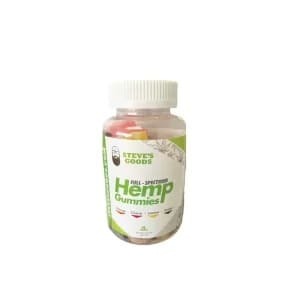
After nearly a decade of making CBD gummies by hand in Louisville and working with hundreds of retailers across the country, I've learned that the difference between a thriving CBD business and a struggling one often comes down to one thing: pricing strategy.
If you're wondering how to price CBD gummies for your store, you're asking the right question. Get it wrong, and you'll either leave money on the table or price yourself out of sales. Get it right, and you've got a product that practically sells itself while keeping your margins healthy.
Let me walk you through what actually works.
Understanding the Standard CBD Retail Markup
In the CBD gummy space, most successful retailers work with a 2x to 3x markup on wholesale cost. That's the sweet spot I've seen work consistently across smoke shops, wellness boutiques, and online stores.
Here's what that looks like in practice:
If you're buying gummies at $0.15 per piece wholesale, your retail pricing per gummy would typically fall between $0.30 and $0.45. For a 30-count bottle, that translates to:
- Wholesale cost: $4.50 (30 × $0.15)
- 2x markup retail: $9.00
- 2.5x markup retail: $11.25
- 3x markup retail: $13.50
At the higher end of wholesale—say $0.20 per gummy—that same 30-count bottle looks like this:
- Wholesale cost: $6.00
- 2x markup retail: $12.00
- 2.5x markup retail: $15.00
- 3x markup retail: $18.00
The markup you choose depends on several factors we'll get into, but if you're just getting started, 2.5x is a solid baseline that gives you room for promotions while maintaining healthy margins.
Factors That Affect Your Pricing Strategy
1. Your Market Position
Are you competing on price or quality? If you're running a discount smoke shop where customers are hunting for deals, you'll likely need to stay closer to that 2x markup. If you're a wellness boutique where customers expect premium products and knowledgeable staff, you can confidently price at 2.5x to 3x.
2. Local Competition
Walk into three stores in your area that sell CBD gummies. Note their prices. You don't need to be the cheapest, but you need to understand where you fit. If everyone's selling 30-count bottles at $15, pricing yours at $25 better come with a compelling story—or you're not moving product.
3. Product Quality and Differentiators
Not all gummies are created equal. When I make gummies here in Louisville, I use natural tapioca syrup instead of corn syrup and distilled water instead of tap. That's a genuine differentiator that justifies premium pricing. If your supplier cuts corners, you'll struggle to command higher prices—and you should question whether that product belongs on your shelf at all.
4. Your Overhead
A store in a high-rent shopping district has different needs than someone selling primarily online. Factor in your actual costs—rent, staff, insurance, marketing—when setting margins. That 2x markup might look great on paper, but if it doesn't cover your overhead and leave profit, it's just busy work.
Premium vs. Budget Positioning
I've seen retailers succeed with both strategies, but you need to commit to one.
The Premium Play
Stock fewer SKUs, but make them count. Emphasize quality ingredients, third-party lab testing, and the story behind the product. Train your staff to explain the difference. Price at 2.5x to 3x markup. Your customers will be loyal and less price-sensitive.
The Volume Play
Compete on price with a 2x markup, but make it up in volume. This works best if you have high foot traffic or a strong online presence. You'll need to move more units, but the lower barrier to purchase means more first-time buyers.
What doesn't work? Trying to be both. Discount pricing with premium positioning confuses customers and erodes your brand.
Pricing Strategies That Actually Work
Tiered Pricing
Offer good-better-best options. Stock a budget-friendly option at 2x markup, a mid-tier at 2.5x, and a premium product at 3x. This lets customers self-select and often pushes them toward the middle option.
Bundle Deals
Bundling moves more product and increases average transaction value. "Buy 2, get 10% off" or "CBD starter pack" bundles work well. Your margin per unit drops slightly, but total profit increases.
Introductory Pricing
When launching a new product, consider promotional pricing to build traction, then raise to your target price after establishing demand. Just make sure your "sale" price still covers costs and leaves some margin.
The Wholesale Relationship Matters
Your pricing strategy is only as good as your wholesale costs. If you're paying too much for inventory, no markup strategy will save you.
That's why I work directly with retailers to find the right fit. When you work with a manufacturer who actually makes the product—not a middleman reselling someone else's gummies—you get better pricing, more flexibility, and a partner who understands your business.
I've been making gummies since 2016. I've seen suppliers come and go, watched the market evolve, and helped hundreds of retailers build profitable CBD programs. The retailers who succeed long-term are the ones who find a reliable hemp wholesale partner and build from there.
Ready to Run the Numbers?
Pricing CBD gummies doesn't have to be complicated. Start with your wholesale cost, apply a 2x to 3x markup based on your market position, and adjust based on what you learn.
If you're looking for wholesale CBD gummies with pricing that makes your retail math work, let's talk. I'll give you straight answers about costs, minimums, and what other retailers in your space are doing.
Get wholesale pricing for your store →
— Steve
From the Steve’s Goods catalog: our retail gummy line, and bulk and private-label gummy manufacturing.