
How to Choose Quality CBD Gummies: A Louisville Hemp Expert's Guide
Posted by Steve Schultheis on Mar 3rd 2026
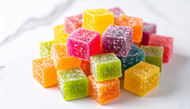
I've been making CBD gummies in Louisville since 2016, and I've watched this industry explode from a handful of small operations to a multi-billion dollar market. Here's what nobody tells you: most CBD gummies you see on shelves aren't worth the plastic they're wrapped in.
That's not me being dramatic. Studies show 70% of CBD products don't contain what's on the label. After eight years of testing, tasting, and talking to thousands of customers, I know what separates quality gummies from expensive candy. Let me walk you through exactly what to look for.
Why Quality Actually Matters
When you buy cheap CBD gummies, you're not just wasting money—you're setting yourself up for disappointment. I've had customers come to me after trying three or four different brands that did absolutely nothing. They start thinking CBD is snake oil when really, they just bought junk.
Poor quality gummies can contain pesticides, heavy metals, or residual solvents from bad extraction. At best, they're ineffective. At worst, they're potentially harmful. That's why we test every single batch, not just random samples like most companies do.
Since we started making gummies in Louisville, I've seen what happens when you cut corners. Small batches mean I can taste-test every run. If something tastes off or the texture isn't right, that batch doesn't leave our facility.
Step 1: Check Where the Hemp Comes From
First thing I look at is hemp source. US-grown hemp follows much stricter regulations than imports. I work with Kentucky and Colorado farmers because I can drive to their farms and see the operation myself.
The extraction method matters too. We use CO2 extraction because it's clean and preserves all the beneficial compounds. Some companies use cheap ethanol extraction, which works but can leave residues if not done properly. Avoid anything extracted with butane or propane—that's amateur hour.
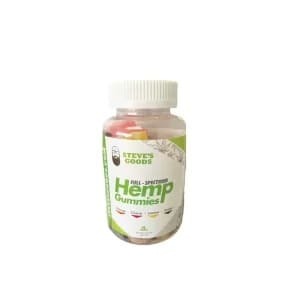
You'll also see full spectrum, broad spectrum, and isolate options. Full spectrum contains all hemp compounds including trace THC (under 0.3%). Broad spectrum has everything except THC. Isolate is pure CBD only. I prefer full spectrum for the "entourage effect," but broad spectrum works great if you're concerned about trace THC.
Step 2: Read Ingredients Like You Mean It
This is where most people get fooled. They see "natural" on the label and assume it's quality. Here's what I actually put in our gummies: natural tapioca syrup, distilled water, natural fruit flavors, and CBD extract. That's it.
Compare that to typical store gummies packed with high fructose corn syrup, artificial colors like Red 40, and preservatives you can't pronounce. I switched to natural tapioca syrup because corn syrup tastes like chemicals and spikes blood sugar harder. Once you taste the difference, you can't go back.
Look for pectin instead of gelatin if you want vegan options. Avoid anything with excessive artificial ingredients. If the ingredient list reads like a chemistry experiment, find something else.
Step 3: Demand Real Lab Testing
Every legitimate CBD company should provide Certificates of Analysis (COAs). These lab reports show exactly what's in each batch. I post ours right on our website because I'm proud of what they say.
A proper COA tests for:
- Cannabinoid potency (to verify CBD content)
- Pesticides (should be below detection limits)
- Heavy metals (arsenic, lead, mercury, cadmium)
- Microbials (bacteria, yeast, mold)
- Residual solvents
Red flags: no COAs available, reports older than the product batch, or results that look suspiciously perfect. Real testing shows minor variations between batches—that's normal.
Step 4: Figure Out Your Dosage
Most people start too high and get disappointed when they don't feel anything dramatic. CBD works subtly. I tell first-time customers to start with 5-10mg and wait a few hours before taking more.
Consistency matters more than strength. A gummy that says 25mg but actually contains 15mg one day and 35mg the next is useless. That's another reason we hand-craft in small batches—I can ensure every gummy in a batch is dosed correctly.
Step 5: Research the Company
Big difference between companies that make CBD gummies and companies that happened to add CBD to their existing candy operation. I've been focused on hemp since day one. This isn't a side business for us.
Look for transparency about manufacturing, company history, and customer service. Read reviews, but take them with a grain of salt. Some companies buy fake reviews, others get unfairly trashed by competitors.
Family-owned businesses like ours have different motivations than venture capital-backed companies trying to maximize profits before selling out. We're in this for the long haul.
Red Flags That Mean Run Away
If a company claims their CBD "cures" anything, that's illegal and stupid. We can't make medical claims because CBD is a supplement, not medicine. Any company making cure claims doesn't understand basic regulations.
Suspiciously cheap prices are another red flag. Quality extraction, testing, and ingredients cost money. If someone's selling 30-count gummies for $15, either they're losing money or cutting corners somewhere.
Missing lab reports, vague ingredient lists, or companies that don't answer basic questions about their process—all deal-breakers.
Final Thoughts
Choosing quality CBD gummies isn't complicated, but it requires doing your homework. Start with companies that prioritize transparency, use US-grown hemp, and provide complete lab testing. Look for clean ingredients and appropriate dosing.
The CBD market will keep growing, but the quality gap between good and bad products is getting wider. Don't let flashy marketing fool you. Focus on the fundamentals: source, ingredients, testing, and company reputation.
We've been making gummies the right way since 2016 because that's how I'd want CBD made for my own family. When you find a company with that mindset, stick with them.