

Last updated: April 27, 2026
# Why We Use Natural Tapioca Syrup Instead of Corn Syrup If you've ever read the ingredients panel on a bag of conventional gummies — the kind from a gas station or a big-box store — you've probably seen corn syrup near the top of the list. We don't use corn syrup. We use natural tapioca syrup. That's not an accident, and it's not just marketing. It's a formulation decision made for specific reasons. Here's what they are. --- ## What Gummy Syrups Actually Do First, a quick formulation note: the liquid sugar base in a gummy isn't just there for sweetness. It does structural work. In a gummy, the syrup: - Controls moisture content and water activity (which affects texture and shelf life) - Determines how the gelling agent sets (we use pectin — more on that in a future post) - Influences flavor clarity — some syrups carry their own taste that competes with added flavors - Affects how the gummy behaves at different temperatures So the choice of syrup isn't a minor ingredient decision. It shapes the product. --- ## Why Not Corn Syrup?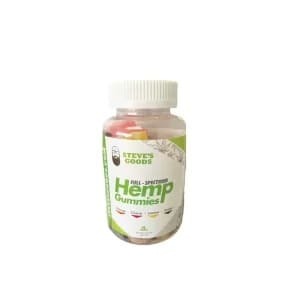
Why Natural Tapioca Syrup — A 2026 Update
This post has been a quiet favorite since we first wrote it. We get the question every week from wholesale buyers, and customers ask it on social. Here's the 2026 version of our answer.
The Short Answer
We don't use corn syrup because most U.S. corn syrup is derived from genetically-modified corn grown with crop-protection chemistry that we'd rather not have inside a wellness product. Tapioca syrup, sourced from organic cassava, comes through a cleaner supply chain and gives us a smoother gummy base with a less-cloying sweetness profile.
The Longer Answer
Corn syrup is dominant in the candy world for one reason: it's cheap. It's stable, it's widely available, and the equipment in most candy lines is built around it. But corn syrup isn't neutral. The corn it comes from is grown in monoculture fields with pesticide-and-fertilizer profiles that the wellness customer is — fairly — trying to step away from.
Tapioca syrup costs more. It needs slightly different temperature handling. It changes the depositor flow on a gummy line. None of that is hard, but it's why most contract manufacturers don't bother.
What This Changes for the Customer
- Cleaner ingredient list. "Natural tapioca syrup" reads honestly on the back panel.
- Slightly lower glycemic load than typical corn-syrup gummies.
- Smoother texture. Tapioca is more forgiving in the cooling step, so the finished piece doesn't crystallize.
- No high-fructose anything. We use organic cane sugar as our sweetener, not HFCS.
What It Doesn't Change
It doesn't change the cannabinoid profile of the finished gummy. It doesn't change the COA math. It doesn't change anything about H.R. 5371 compliance. The base is the base — what matters for federal rules is the total-THC number after decarboxylation, regardless of which sweetener is in the gummy.
2026 FAQ
Are your gummies vegan? Yes. Pectin-set, no gelatin. The tapioca syrup is also vegan.
Are they gluten-free? Yes. Tapioca, cane sugar, fruit flavor — no gluten ingredients.
What about allergens? No common allergens in the base. Always read the label for the SKU you're buying — packaging-line declarations are on the back panel.
Is tapioca syrup the same as agave or honey? No. Agave is from agave nectar, honey is animal-derived, tapioca is from cassava root.
Why not stevia or monk fruit? Both are great in some applications, but they don't carry the body of a depositor gummy the way a real syrup does. We tested both extensively in 2022 and went back to syrup.
Are you certified organic? The tapioca syrup is certified organic. The finished gummy is not labeled "USDA Organic" because the cannabinoid extract supply doesn't carry the certification yet.