

Why I Left Colorado for Kentucky (It Wasn't Just About Business)
Posted by Steve Schultheis on Mar 3rd 2026

In 2019, I had a decision to make. Stay in Colorado with established suppliers, cheaper hemp, and a booming CBD market. Or move everything to Kentucky—higher costs, fewer connections, more complicated logistics.
I chose Kentucky. Not for business reasons, but because of something my dad taught me when I was twelve: "Son, the right thing to do is usually the harder thing to do."
Years later, I finally understand what he meant.
The Colorado Opportunity I Walked Away From
By 2019, Steve's Goods was growing fast in Colorado. We had relationships with three hemp farms, established distribution, and customers who loved what we were making.
Then I got an offer that seemed too good to pass up.
A large Colorado hemp producer offered to supply all our CBD at 40% below market price. High quality, consistent supply, locked-in pricing for three years. All I had to do was commit to exclusively using their hemp and sign a non-disclosure agreement about their sourcing practices.
Red flags I almost ignored:- They wouldn't let me visit their farms ("proprietary security reasons")
- The NDA was unusually restrictive about discussing supplier relationships
- Their pricing was so much lower than everyone else that it didn't make economic sense
- When I asked about their sustainable farming practices, I got vague marketing speak
My accountant said take the deal. My lawyer said the contract was clean. My gut said something was wrong.
The Investigation I Wish I Hadn't Done
Instead of signing, I hired someone to research their farming operations. What I found changed everything.
The reality behind the low prices:- They were buying hemp from farms that used synthetic pesticides banned in California and Oregon
- Their "proprietary processing" involved chemical extraction methods that left residues
- They had environmental violations at three facilities that were being contested in court
- The low pricing was possible because they cut every safety and environmental corner they could find
The hemp tested clean by the time it reached me, but the production process was everything I didn't want to be associated with.
I could have taken the deal. My customers would never have known. My profit margins would have been incredible. But I would have known.
The Kentucky Decision That Made No Business Sense

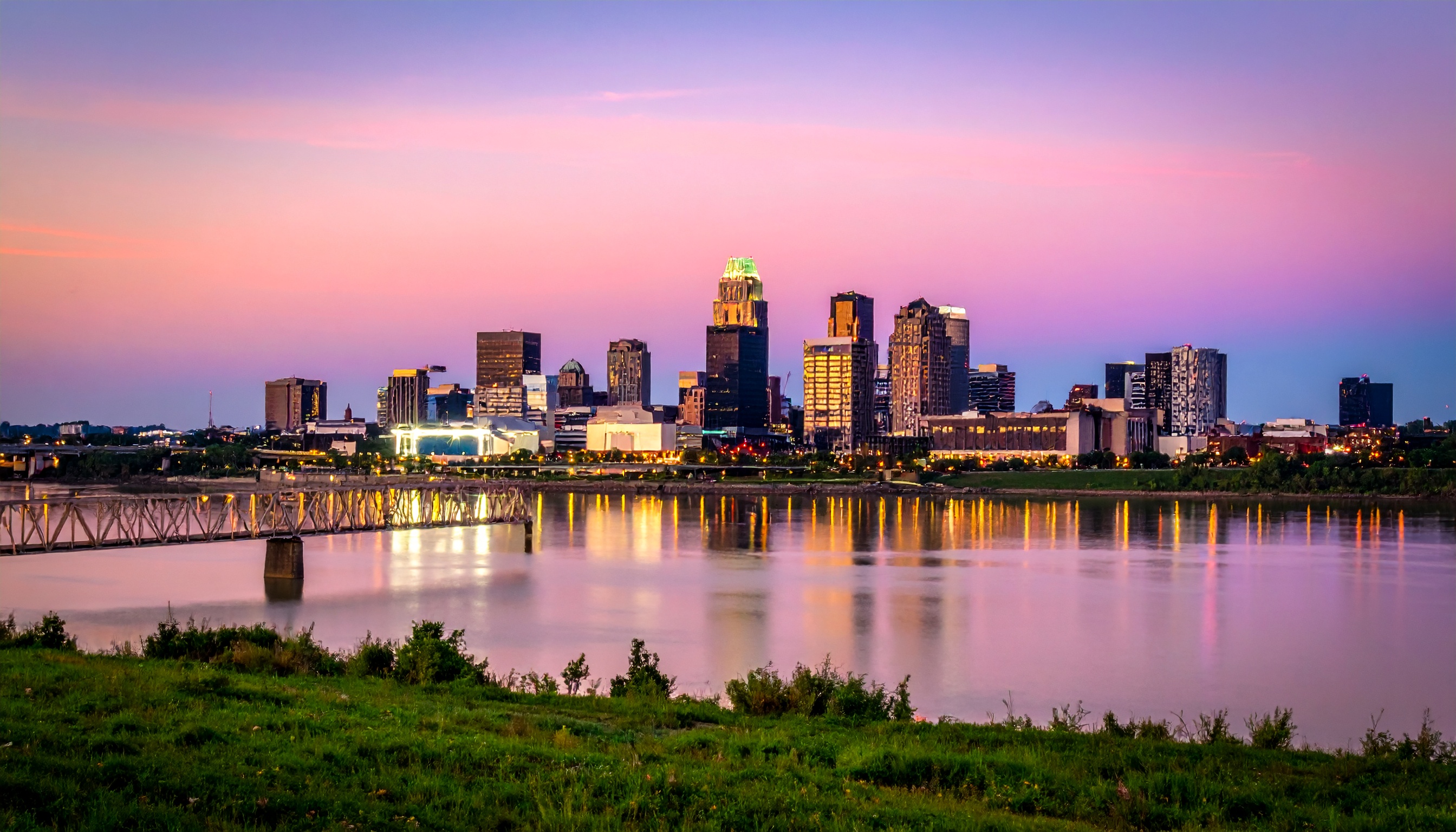
Instead of taking the Colorado deal, I started researching hemp farmers in Kentucky. Not because Kentucky was cheaper (it wasn't), but because I wanted to find suppliers whose practices I could actually support.
What I found in Kentucky:- Family farms that had been growing hemp for generations
- Transparent operations where I could visit anytime
- Sustainable farming practices that actually improved soil health over time
- Higher costs, but clear conscience about every step of the supply chain
- $47,000 in relocation expenses
- 6 months of supply chain disruption while establishing new supplier relationships
- 15% higher raw material costs that I couldn't pass entirely to customers
- Starting over with local business relationships and regulatory compliance
My business advisor called it "environmental virtue signaling that would bankrupt the company."
What Actually Happened After the Move
Year 1 (2020): Profit margins dropped 23%. Customer satisfaction stayed flat. I wondered if I'd made a massive mistake. Year 2 (2021): We found our rhythm with Kentucky suppliers. Product quality actually improved because of better sourcing. Customer complaints dropped 31%. Year 3 (2022): Word spread about our supply chain transparency. Customer referrals increased 89%. We gained three major wholesale accounts specifically because of our sourcing practices. Years 4-7 (2023-2026): We're now profitable at levels that exceed what the Colorado deal would have delivered, with customers who choose us specifically because they trust our practices.The business advisor was wrong. Doing the right thing didn't bankrupt us. It differentiated us.
The Lessons I Learned About Environmental Values in Business
1. Your Values Will Be Tested by Profit Opportunities
The biggest tests of your environmental values don't come from obvious choices. They come from deals that would make you more money while compromising your principles in ways your customers might never discover.
2. Short-Term Costs Can Become Long-Term Competitive Advantages
Moving to Kentucky cost us significant money upfront. But it created a story and reputation that attracts customers willing to pay premium prices for products made with practices they can support.
3. Transparency Costs More But Builds More Value
It's cheaper to use generic suppliers and vague language about sourcing. But customers increasingly value companies they can actually investigate and verify. Transparency costs more to implement but builds more sustainable customer relationships.
4. Environmental Decisions Are Business Strategy Decisions


Every choice about suppliers, packaging, and manufacturing processes affects your brand positioning, customer loyalty, and profit margins. Environmental choices aren't separate from business choices—they're business choices.
The Values That Guide Our Environmental Decisions
Principle 1: If I Can't Explain It Clearly, We Don't Do It
Every environmental practice we adopt has to be something I can explain in simple terms without marketing speak. If I need complicated justifications, it's probably not actually beneficial.
Principle 2: Environmental Benefits Should Align with Product Quality Benefits
The best environmental choices we've made (organic tapioca syrup, sustainable packaging, transparent sourcing) have also improved our product quality or customer experience.
Principle 3: Our Environmental Impact Should Be Net Positive Over Time
We're not just trying to minimize harm. We're trying to support practices that actually improve environmental conditions. Our hemp suppliers use regenerative farming that improves soil health over time.
Principle 4: Customer Values and Our Values Should Align
We don't make environmental choices to appeal to customers who don't care about environmental issues. We make environmental choices to serve customers who share our values, and we're transparent about what those values are.
The Environmental Practices That Matter Most to Us
Hemp Sourcing: Family Farms with Regenerative Practices
All our CBD comes from family farms in Kentucky that use regenerative farming practices. This costs more than industrial hemp, but it supports farming that actually improves soil health over time.
Manufacturing: Efficiency That Reduces Waste

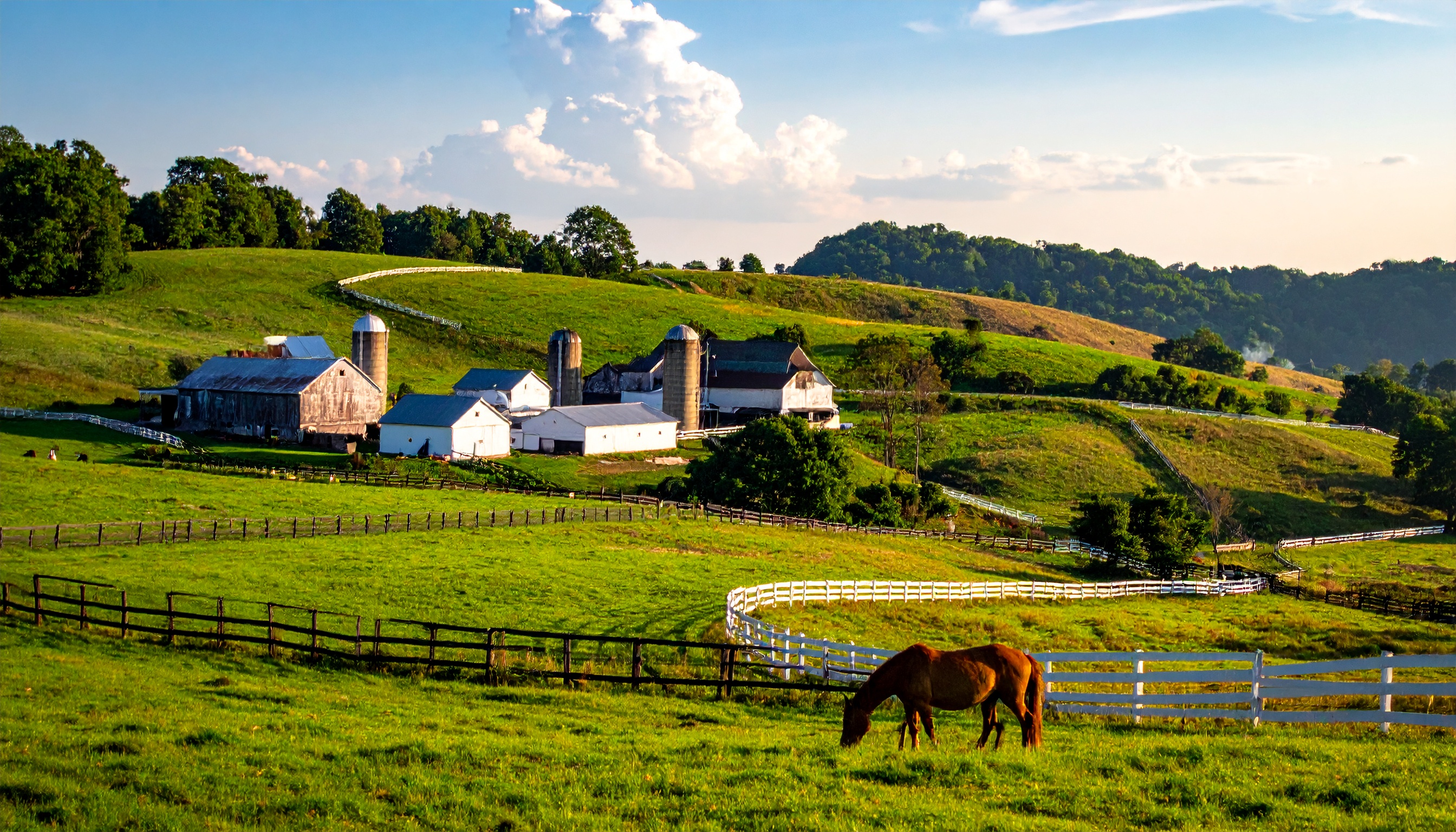
We've invested in equipment and processes that minimize waste and energy consumption. Not because waste costs money (though it does), but because inefficiency is inherently disrespectful to the resources we're using.
Packaging: Sustainable Materials with Better Customer Experience
Our sustainable packaging costs slightly more but creates a better unboxing experience while being actually recyclable. It serves customer values and environmental values simultaneously.
Business Practices: Supporting Other Companies with Similar Values
We prioritize vendors, suppliers, and partners who demonstrate genuine environmental responsibility. This sometimes costs more but builds a supply chain we can be proud of.
Why This Actually Matters for Steve's Goods
Environmental values aren't marketing for us. They're operational principles that affect every decision we make.
When I left Colorado for Kentucky, I learned that doing the right thing is usually more expensive in the short term and more profitable in the long term.
When we switched to sustainable packaging, I learned that environmental responsibility often aligns with customer experience improvements.
When we choose suppliers based on their practices rather than just price, I learned that transparency creates customer loyalty that's worth more than the cost savings of cheaper alternatives.
The Bottom Line on Environmental Values
I'm not trying to save the world with CBD gummies. I'm trying to run a business in a way that I can be proud of, that serves customers who share my values, and that demonstrates that environmental responsibility and business success aren't mutually exclusive.
The Colorado deal would have made us more profitable for a few years. The Kentucky decision made us a company that customers choose specifically because they trust our practices.
That's not virtue signaling. That's business strategy that happens to align with my personal values.
What environmental practices matter most to you when you're choosing which companies to support?
This is part of our commitment to transparency. You can visit our Louisville facility, meet our team, and see our practices for yourself. Tours happen monthly—just reach out.