

The CBD Sustainability Revolution: What "Eco-Friendly" Actually Means (And Why I'm Finally Talking About It)
Posted by Steve Schultheis on Mar 3rd 2026

Look, I'll be honest. For eight years of making gummies, I thought "sustainability" was just another marketing buzzword. Then I saw the numbers: 60% of you are actively choosing brands based on environmental practices. That's not a trend—that's a revolution.
And here's the thing that got my attention: sustainable practices aren't just good for the planet. They're making better products. Let me tell you what I've learned.
Why I Started Paying Attention to Sustainability
I didn't wake up one morning and decide to save the world. I woke up realizing that the choices I've been making for product quality—like using organic tapioca syrup instead of corn syrup—were actually environmental choices too.
When I switched from corn syrup eight years ago, it wasn't for sustainability. It was because corn syrup tastes like chemicals, and I couldn't stomach putting it in my gummies. But organic tapioca syrup? It comes from cassava root grown without synthetic pesticides. Better for your body, better for soil health, better tasting gummies.
That's when it hit me: the practices that make better CBD products often happen to be more sustainable. Not always, but often enough that I started paying attention.
What Sustainable CBD Actually Looks Like (Beyond the Marketing)
Every CBD company talks about being "natural" and "organic." Here's what actually matters when you're looking for genuinely sustainable practices:
Regenerative Farming vs. Just "Organic"
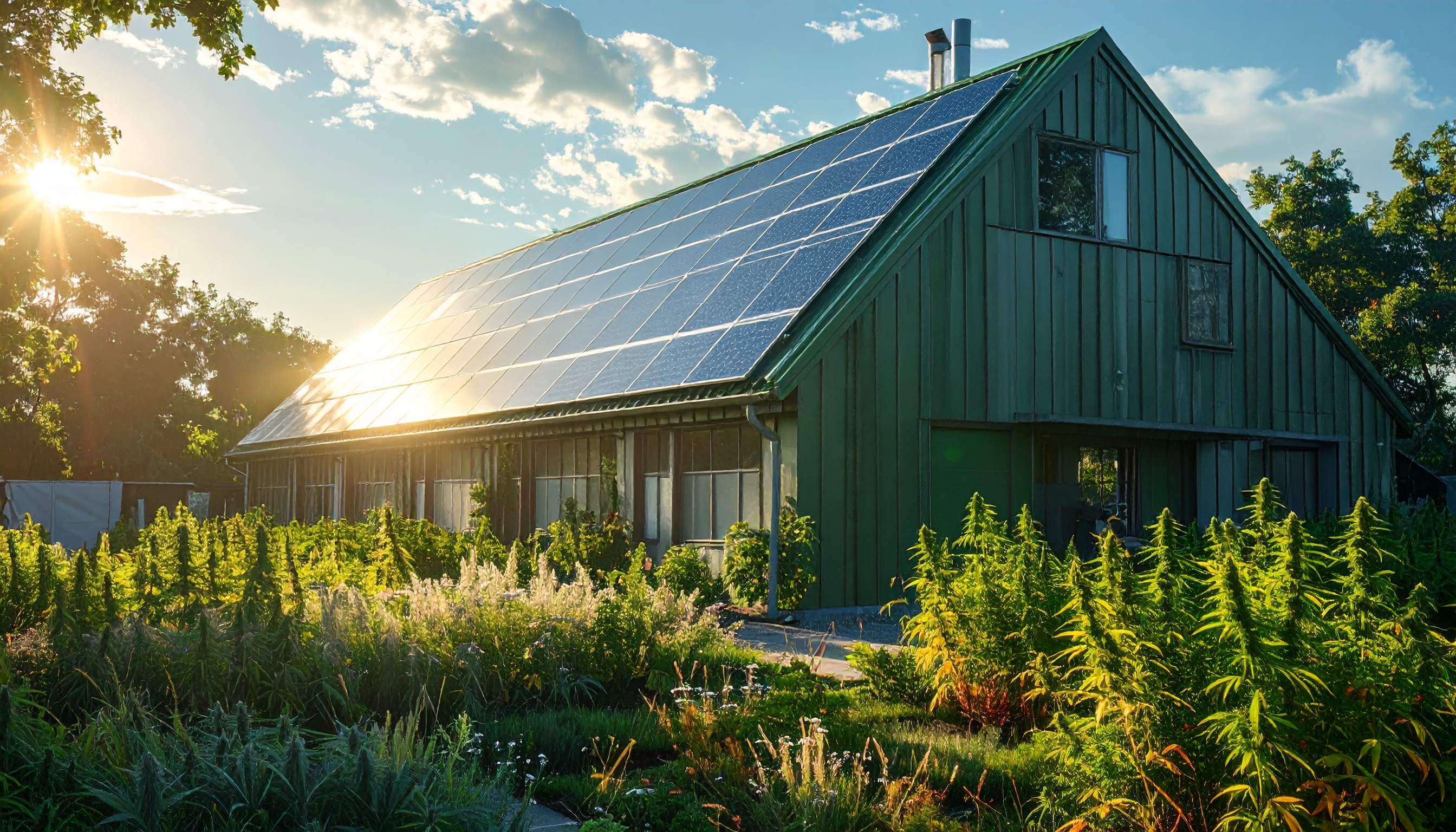
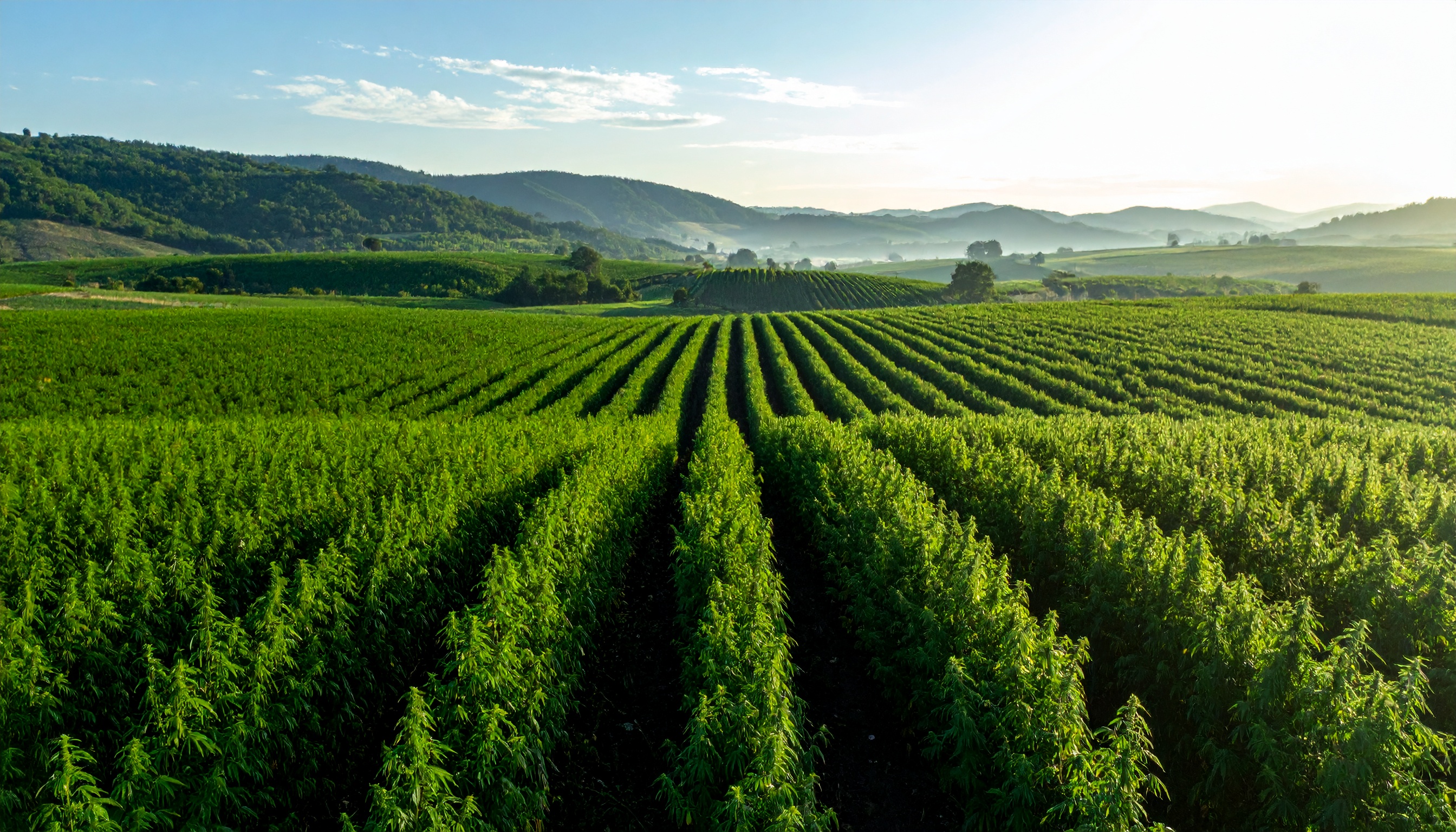
Organic is the baseline. But regenerative farming actually improves soil health over time instead of just avoiding damage. When hemp is grown this way, it creates better root systems, which means better cannabinoid profiles in the final product.
I don't grow our hemp—I buy it from farmers who do this right. And yes, it costs more. But the difference in quality is measurable, not just marketing.
Packaging That Actually Makes Sense
Here's something that drives me crazy: companies using "eco-friendly" packaging that still requires plastic bubble wrap for shipping. We switched to kraft paper boxes with soy-based inks last year. They protect the gummies just as well, they're actually recyclable (not just technically recyclable), and they cost basically the same.
The real kicker? Customers notice. Our unboxing experience got better because we weren't hiding behind shiny, plasticky packaging anymore.
Manufacturing Efficiency (The Part Nobody Talks About)
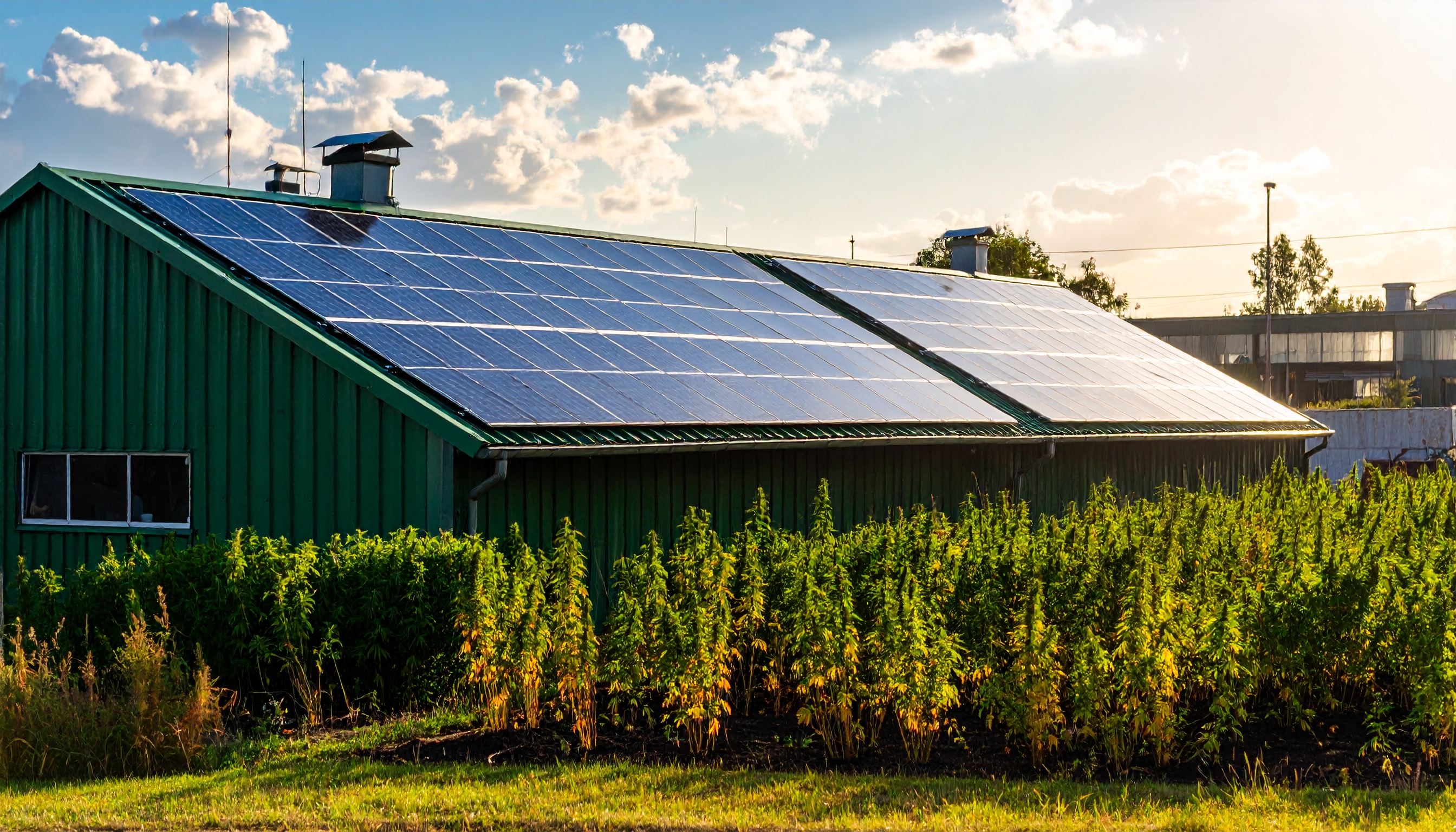
The biggest environmental impact in CBD manufacturing isn't the hemp farming—it's the energy waste in extraction and processing. We've spent two years upgrading our facility to reduce energy consumption by about 30%.
Not because it's trendy. Because energy costs were killing our margins, and efficiency improvements meant we could offer better wholesale pricing while improving our environmental footprint.

The Industry Shift I'm Actually Excited About
PFAS-free packaging isn't just happening because consumers demand it. Major retail chains are requiring it. CVS, Walgreens, even smaller health stores—they're telling CBD companies: sustainable packaging or no shelf space.
That's forcing real change, not just marketing change. When Walmart tells you to use biodegradable boxes or lose the contract, companies find a way to make biodegradable boxes work.
And here's the thing I didn't expect: this shift is making the whole industry better. Companies that can't adapt to basic environmental standards probably weren't making great products anyway.
What This Means for You as a Consumer
When you're choosing CBD products, you don't need to become an environmental scientist. But here are the sustainability indicators that actually correlate with product quality:
Look for specific practices, not generic claims. "We care about the environment" means nothing. "We use regenerative-grown hemp from Smith Family Farms in Colorado" tells you they know their supply chain. Check the packaging experience. If they can't figure out eco-friendly packaging that protects the product properly, they probably cut corners in manufacturing too. Ask about their facility. Companies with efficient, updated manufacturing processes usually make more consistent products. Environmental consciousness and quality consciousness tend to go together.Where Steve's Goods Is Heading
I'll be transparent: we're not perfect on sustainability. We've made improvements, but there's more to do.
What we're working on for 2026:
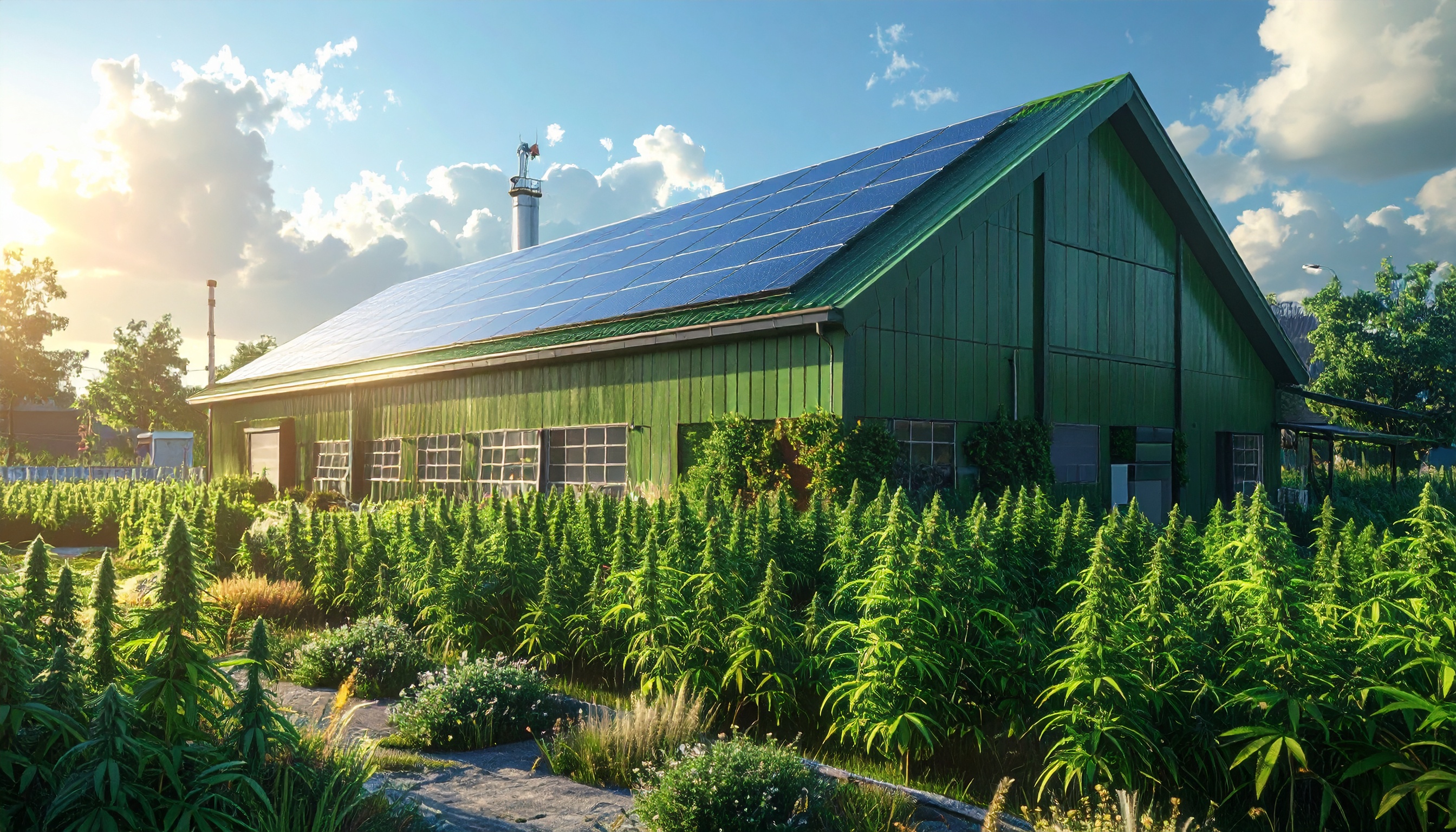
- Full transition to renewable energy in our Louisville facility (currently at 60%)
- Partnering with more regenerative hemp farms (expanding beyond our current two suppliers)
- Compostable gummy packaging (still working out the shelf-life challenges)
- Waste reduction in our manufacturing process (currently at 12% waste, aiming for under 8%)
The Bottom Line on Sustainable CBD
The sustainability revolution in CBD isn't happening because companies suddenly grew consciences. It's happening because sustainable practices often produce better products, and consumers are smart enough to notice.
When I choose organic tapioca syrup over corn syrup, I'm not saving the world. I'm making better gummies. When we use kraft paper packaging, we're not just reducing plastic waste—we're creating a better unboxing experience.
That's the revolution I can get behind: environmental responsibility that actually improves what we're making, instead of just making us feel better about making it.
What sustainability practices matter most to you when you're choosing CBD products? I'd love to hear what you're looking for.
Want to see our current sustainability practices in action? Check out our behind-the-scenes manufacturing videos, or reach out with questions about our sourcing and production methods.