

Why I Refuse to Use Corn Syrup (And What I Use Instead)
Posted by Steve Schultheis on Mar 3rd 2026

Last month, I got a call from a potential wholesale client who asked, "What's your cost per gummy if we use corn syrup instead of that organic stuff?"
I told him we don't make gummies with corn syrup anymore. Haven't since 2019.
He was confused. "But everyone uses corn syrup. It's half the price."
That's exactly why I don't use it.
The Corn Syrup Conversation I Have Every Week
Most people don't realize that the sweetener is what makes or breaks a gummy. The CBD extract might be the star, but the base ingredients determine everything else:
- How it tastes
- How long it stays fresh
- How your stomach handles it
- Whether kids will accidentally eat a whole bottle (they taste like candy with corn syrup)
When I tell people I use organic tapioca syrup instead of corn syrup, they usually ask three questions:
1. "Is it actually better, or just marketing?"
2. "How much more does it cost?"
3. "Can you taste the difference?"
Let me answer all three.
The Ingredient Decision That Changed Everything
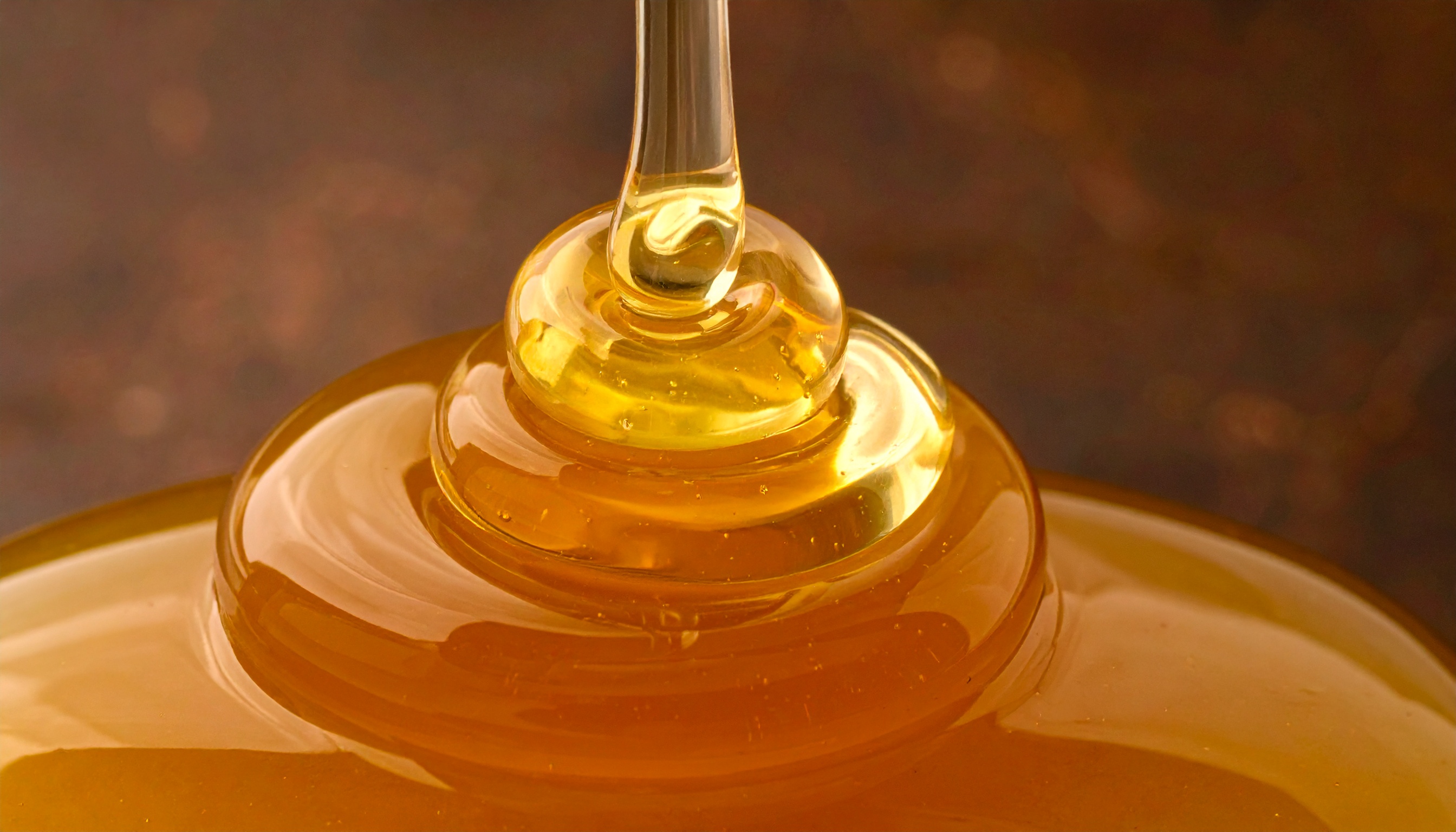
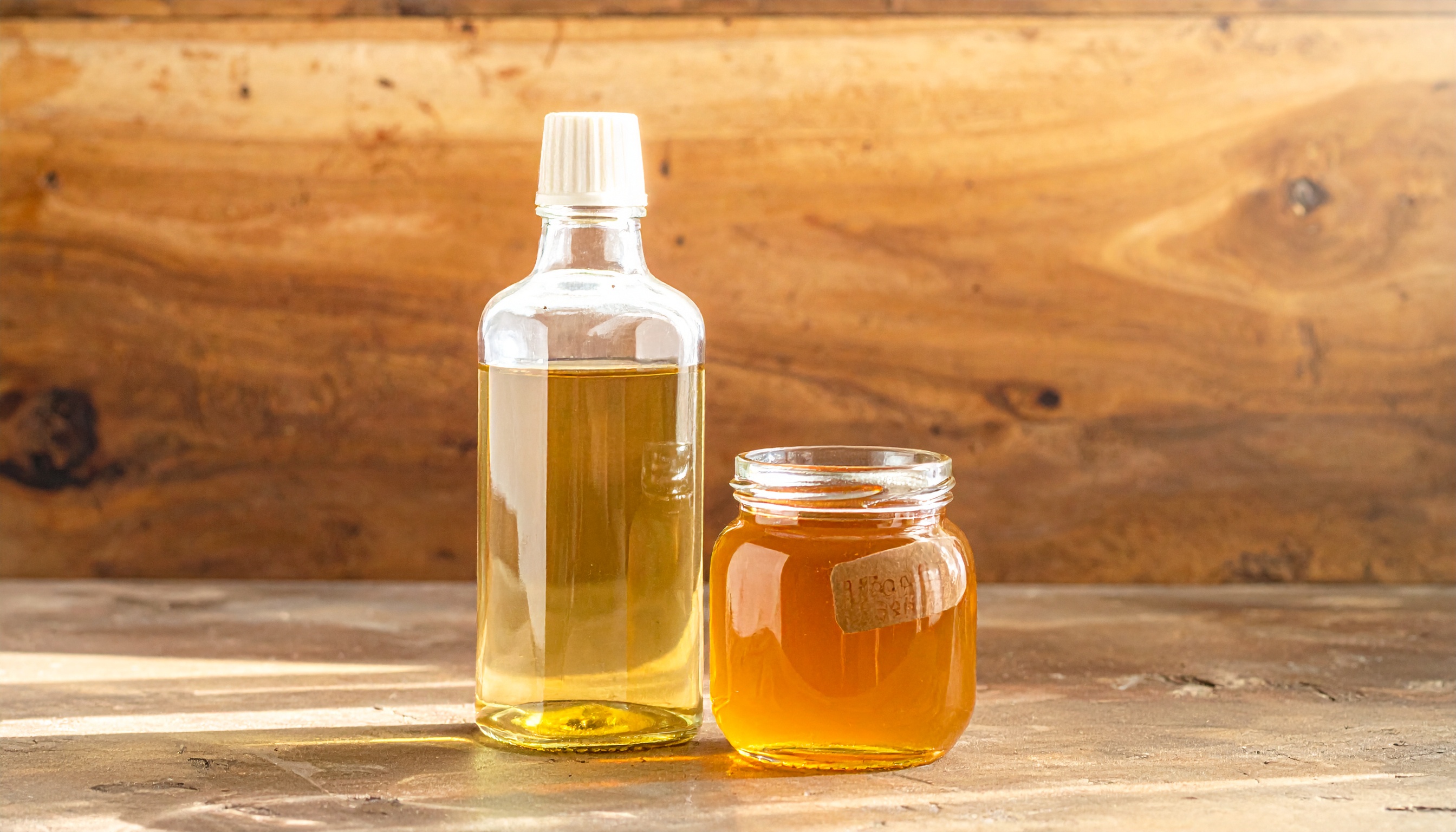
In 2018, I was using corn syrup like everyone else. It was cheap, it worked, customers weren't complaining.
Then I started making gummies for my own family.
My sister has blood sugar issues. My nephew is one of those kids who bounces off the walls if he gets too much sugar. When I gave them samples of my "premium CBD gummies," my sister felt terrible afterward, and my nephew went crazy.
The CBD wasn't the problem. The corn syrup was.
That's when I realized I was making two different products: gummies I'd sell to customers, and gummies I'd actually give to my own family.
So I stopped.
What's Actually Wrong with Corn Syrup
Here's the thing about corn syrup that most gummy companies won't tell you:
It spikes blood sugar faster than regular sugar. Not great if you're using CBD for stress management and then getting a sugar crash 30 minutes later. It makes gummies taste artificial. That overly-sweet, almost metallic aftertaste? That's corn syrup, not the CBD. It attracts moisture, which makes gummies get sticky and degrade faster. Ever opened a bottle of gummies that were all stuck together? Corn syrup. Kids think they taste like candy. This is the big one for me. A child shouldn't be able to accidentally eat CBD gummies because they taste like Haribo bears.Why I Chose Organic Tapioca Syrup Instead
Tapioca syrup comes from the cassava root. It's been used as a sweetener for centuries, way before we started making everything from corn.
It doesn't spike blood sugar the same way. More stable energy, no crash. It has a cleaner taste. You can actually taste the natural fruit flavors instead of just sweetness. It makes gummies that stay consistent. Less moisture absorption means they don't get sticky or degrade as fast. It doesn't taste like candy. Important for safety and for adults who don't want their CBD to taste like children's vitamins.The "organic" part isn't just for marketing. Organic tapioca syrup is processed without synthetic chemicals or GMO sources. Given that people are putting this in their bodies daily, I want the cleanest version possible.
The Cost Reality (Let's Be Honest)
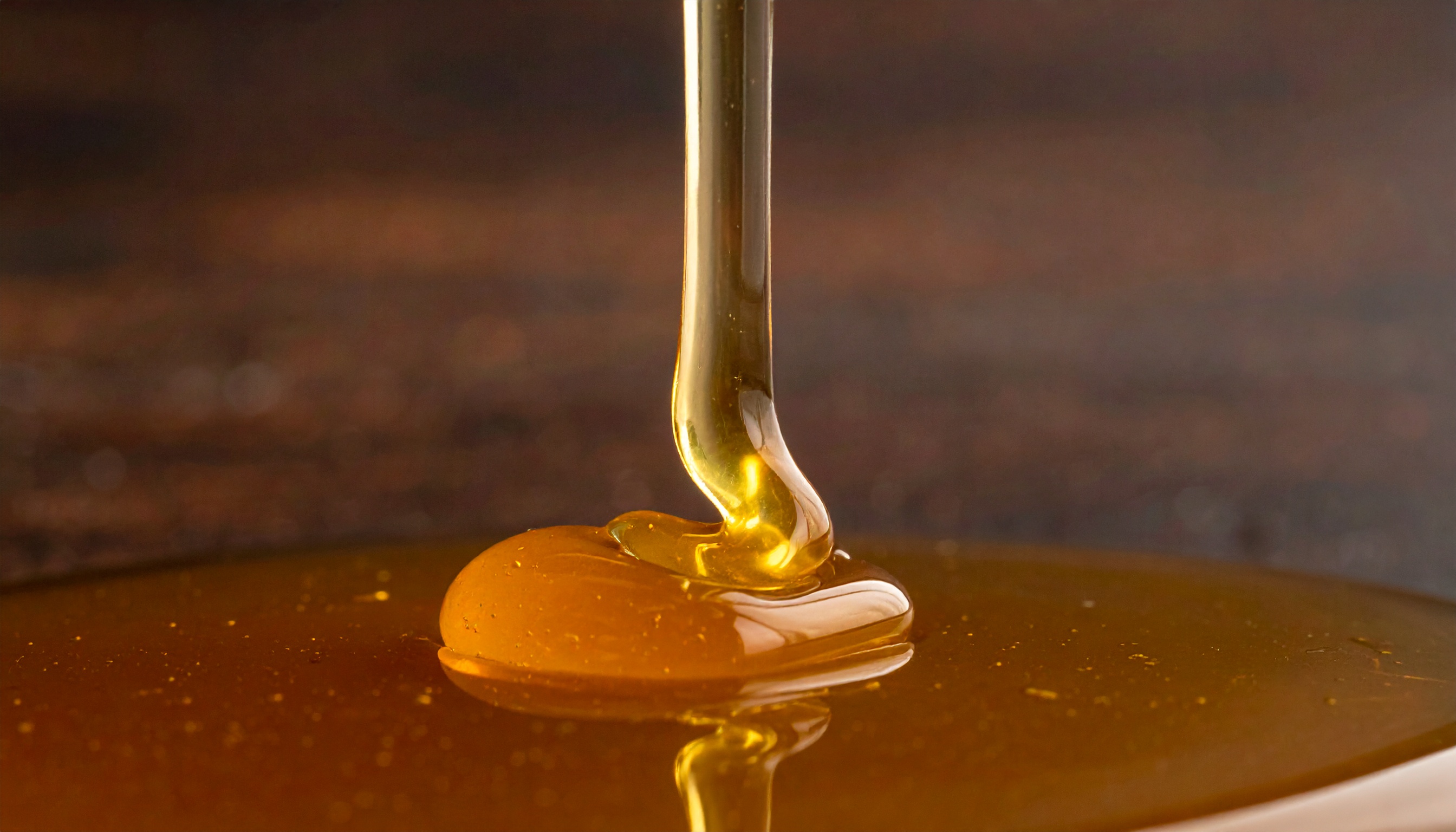
Organic tapioca syrup costs about 3x more than corn syrup.
For a 30-count bottle of 25mg gummies, that adds about $0.80 to my manufacturing cost.
Most companies would pass that cost directly to customers or just use the cheaper option. I split the difference: I eat some of the cost, and I charge a little more than corn syrup competitors.
But here's the math that matters: if someone takes one gummy daily, that $0.80 extra cost spreads across a month of servings. It's about $0.03 per gummy.
Three cents per gummy for cleaner ingredients, better taste, and no blood sugar spikes. That's worth it to me.
The Ingredient Decisions Most Companies Won't Talk About
Tapioca syrup was just the beginning. Once I started really looking at ingredients, I found other places where "industry standard" didn't match what I'd want in my own body:
Water: I use distilled water instead of tap water. Yes, it costs more. No, most people can't taste the difference. But I know what's in it. Natural vs. artificial flavoring: Natural flavors cost 2-3x more, but they don't have that chemical aftertaste that builds up when you take something daily. Citric acid source: Most gummy companies use citric acid derived from corn. I use citric acid from non-GMO sources. Tiny difference, but it adds up.The Questions That Changed My Ingredient Philosophy
In 2019, I started asking myself different questions about every ingredient:
- Would I give this to my own family?
- If someone takes this every day for a year, what's the cumulative effect?
- Is this ingredient here because it's the best option or because it's the cheapest option?
- If a customer called and asked exactly what's in this and why, would I be proud to explain it?
Those questions cost me money in the short term. But they built something I can stand behind long term.
The Ingredient Sourcing Reality Check

Here's what people don't understand about "premium" ingredients:
You can't just switch one ingredient and call it upgraded. If you use organic tapioca syrup but cheap artificial flavoring, you're still making a low-quality product. Suppliers matter as much as ingredients. I've been working with the same organic tapioca syrup supplier for four years. They know our quality standards and batch requirements. Consistency is harder with premium ingredients. Corn syrup is corn syrup. Organic tapioca syrup can vary batch to batch. You have to adjust your process. Most customers won't notice the difference immediately. The benefits show up over weeks and months of daily use, not in the first gummy.What This Means for You
If you're buying CBD gummies, look at the ingredient list. Not just the CBD content - everything else.
Ask yourself:
- Would I be comfortable eating this every day for six months?
- Do I know what all these ingredients actually are?
- Is the company transparent about why they chose these ingredients?
Most companies will tell you about their CBD sourcing, their testing, their extraction methods. Very few will tell you why they chose corn syrup over tapioca syrup, or artificial flavoring over natural.
That tells you something about their priorities.
The Bottom Line on Ingredient Decisions
I could make gummies 30% cheaper if I went back to corn syrup, artificial flavors, and tap water.
But I've been taking my own gummies daily for four years now. I've never gotten tired of the taste, never had a blood sugar issue, never worried about what I'm putting in my body long-term.
That's worth more than saving 30% on manufacturing costs.
Your body deserves ingredients chosen for quality, not just cost. Life's too short for gummies that taste like chemicals and make you feel worse than when you started.
Want to taste the difference that ingredient quality makes? Try our gummies made with organic tapioca syrup and natural flavors. Your taste buds and your blood sugar will thank you.