

What Really Happens in Our Lab (And Why Most Companies Skip This Step)
Posted by Steve Schultheis on Mar 3rd 2026

Yesterday, I threw away 500 gummies.
They tested perfectly. Potency was spot-on. No contaminants. No pesticides. The lab reports looked great. But when I tasted them, something was off — a slight bitter aftertaste that shouldn't be there.
Most companies would have shipped them. The lab results were clean, the dose was accurate, and customers probably wouldn't have complained. But "probably good enough" isn't how I run my business.
Here's what actually happens behind the scenes in quality control — and why most CBD companies take shortcuts you'd never expect.
The Testing Everyone Talks About (But Doesn't Always Do)
Every CBD company claims they "triple test" their products. What they usually mean is they test for three things: potency, pesticides, and heavy metals. That sounds comprehensive until you understand what they're not telling you.
Test frequency: "We test every batch" might mean they test one sample from 500 pounds of material and assume the rest is identical. Real batch testing means testing multiple samples from different parts of each batch. Test timing: Some companies test raw materials, then assume nothing changes during manufacturing. Processing can affect potency, create new compounds, or introduce contaminants. Test standards: Testing for 10 common pesticides is different from testing for 100+ pesticides. Testing for "heavy metals" might mean just lead and mercury, not the full panel of cadmium, arsenic, and others.We test raw materials, intermediate products, and finished goods. Every batch, multiple samples, full panels. It's expensive and time-consuming, which is why most companies don't do it.
The Tests Nobody Talks About (But Should)
The lab reports everyone shows you cover the basics. Here are the tests that separate real quality control from marketing theater:
Microbial Testing
This tests for bacteria, yeast, mold, and other microorganisms that can make you sick. It's not required in all states, and many companies skip it because contamination is "rare."
We test every batch. I've found contamination three times in eight years. Those three times, we threw away entire production runs instead of hoping nobody would get sick.

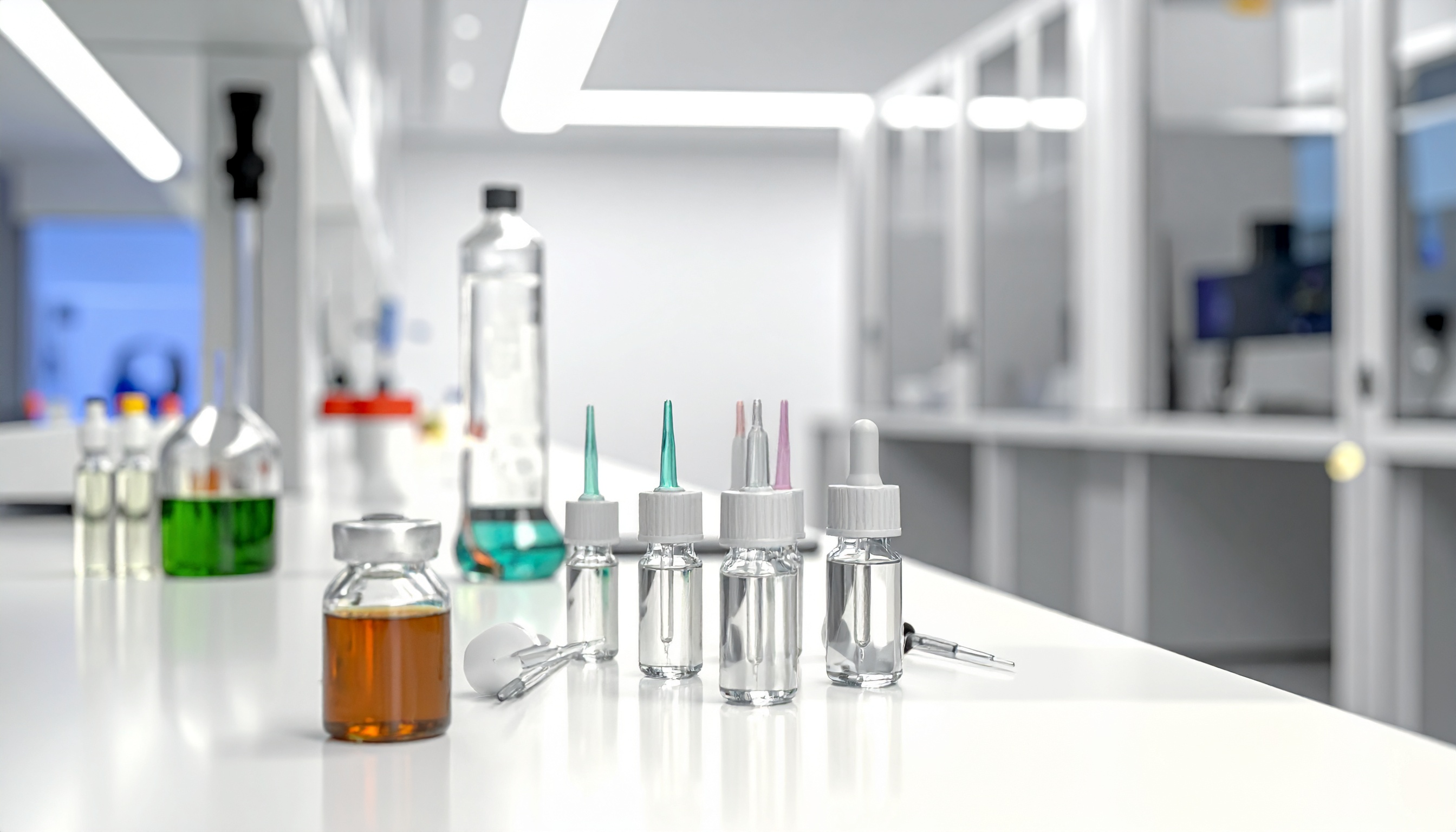
Water Activity Testing
This measures how much water is available for microbial growth in your product. Even if current microbial tests are clean, products with high water activity can develop problems during storage.
Most companies never test this. We do it because I want our gummies to be safe in your pantry for months, not just at the moment of packaging.
Residual Solvent Testing
This tests for leftover chemicals from the extraction process. Some solvents are toxic even in tiny amounts. Others are safe but can affect taste or product stability.
We work with extraction partners who use supercritical CO2 (no chemical solvents), but we still test because quality control means verifying, not assuming.
Homogeneity Testing
This tests whether your CBD is evenly distributed throughout the product. A batch might have the right average potency but wildly inconsistent individual pieces — some with 2mg CBD, others with 15mg.
Most companies test one gummy from each batch and assume the rest are identical. We test multiple gummies from different parts of each batch because consistent dosing matters more than average dosing.
The Quality Control Theater Most Companies Perform
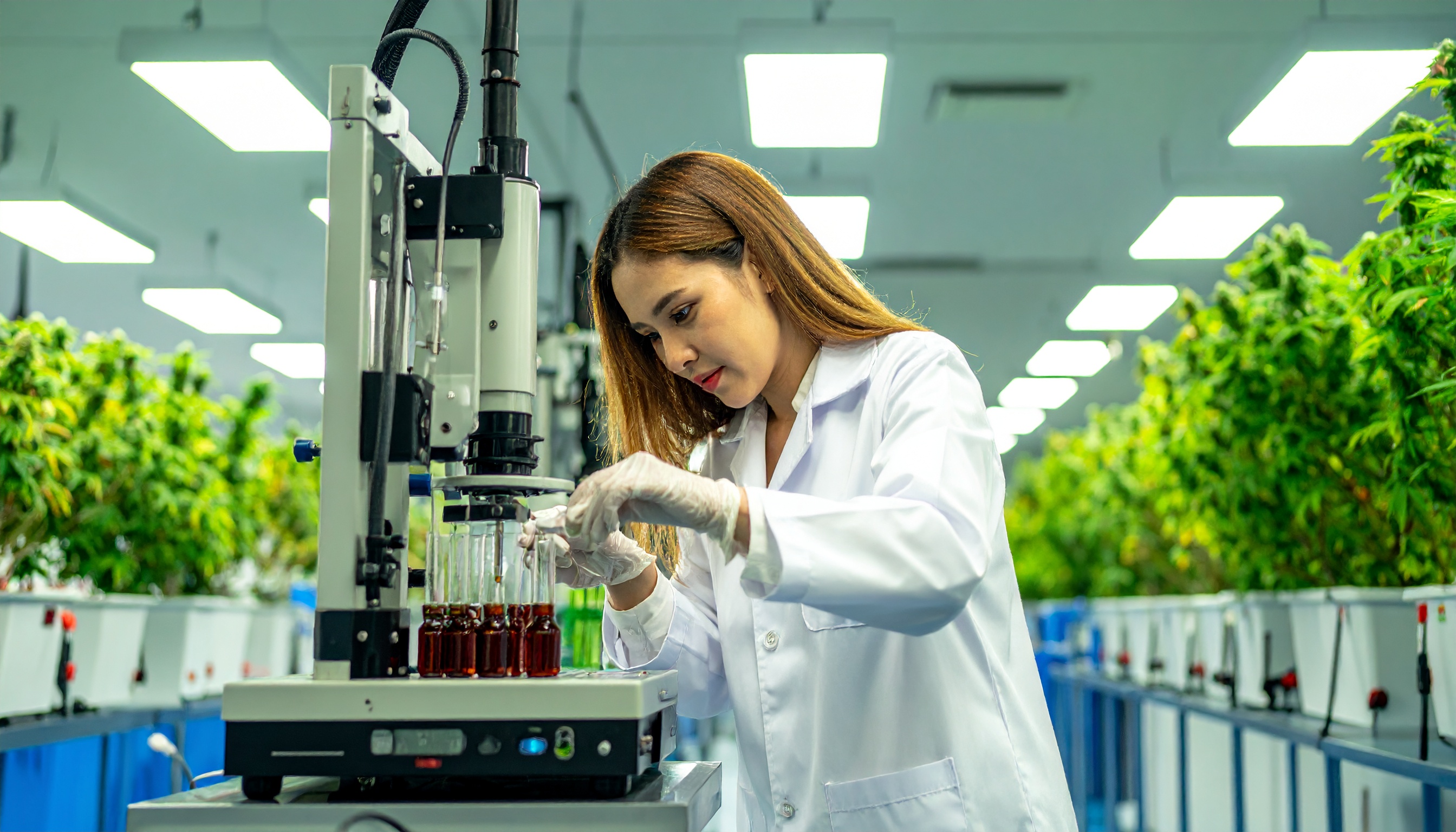
Walk through most CBD facilities and you'll see impressive-looking quality control setups: lab coats, clipboards, testing equipment. What you won't see is how much of it is theater versus real quality control.

Why Most Companies Skip Real Quality Control
It's expensive. Real quality control typically costs 8-15% of product value. For a $30 bottle of gummies, that's $2.40-$4.50 in testing costs alone.
It slows down production. Waiting for comprehensive test results adds 5-7 days to each production cycle. In a fast-moving industry, that feels like forever.
It creates waste. Real quality control catches problems that "good enough" quality control misses. That means throwing away products that would have passed basic tests.
But here's what most companies don't understand: quality control isn't just about safety — it's about consistency and customer experience.
The Real-World Impact of Quality Shortcuts
When companies skip comprehensive quality control, customers experience:
Inconsistent effects: One gummy works great, the next one from the same bottle does nothing. That's usually a homogeneity problem. Off tastes or textures: Products that taste different batch to batch. That's often a raw material quality issue. Products that stop working over time: CBD that degrades in storage because stability testing wasn't done properly. Unexpected reactions: Contamination or undisclosed ingredients causing problems for sensitive users.These problems don't show up in basic lab reports. They show up in customer experience.
What Real Quality Control Looks Like
In our facility, quality control starts before we order raw materials. We test incoming ingredients, not just trust supplier certificates. We test during processing to catch problems early. We test finished products before packaging.
But the real quality control happens with human judgment, not just instruments.
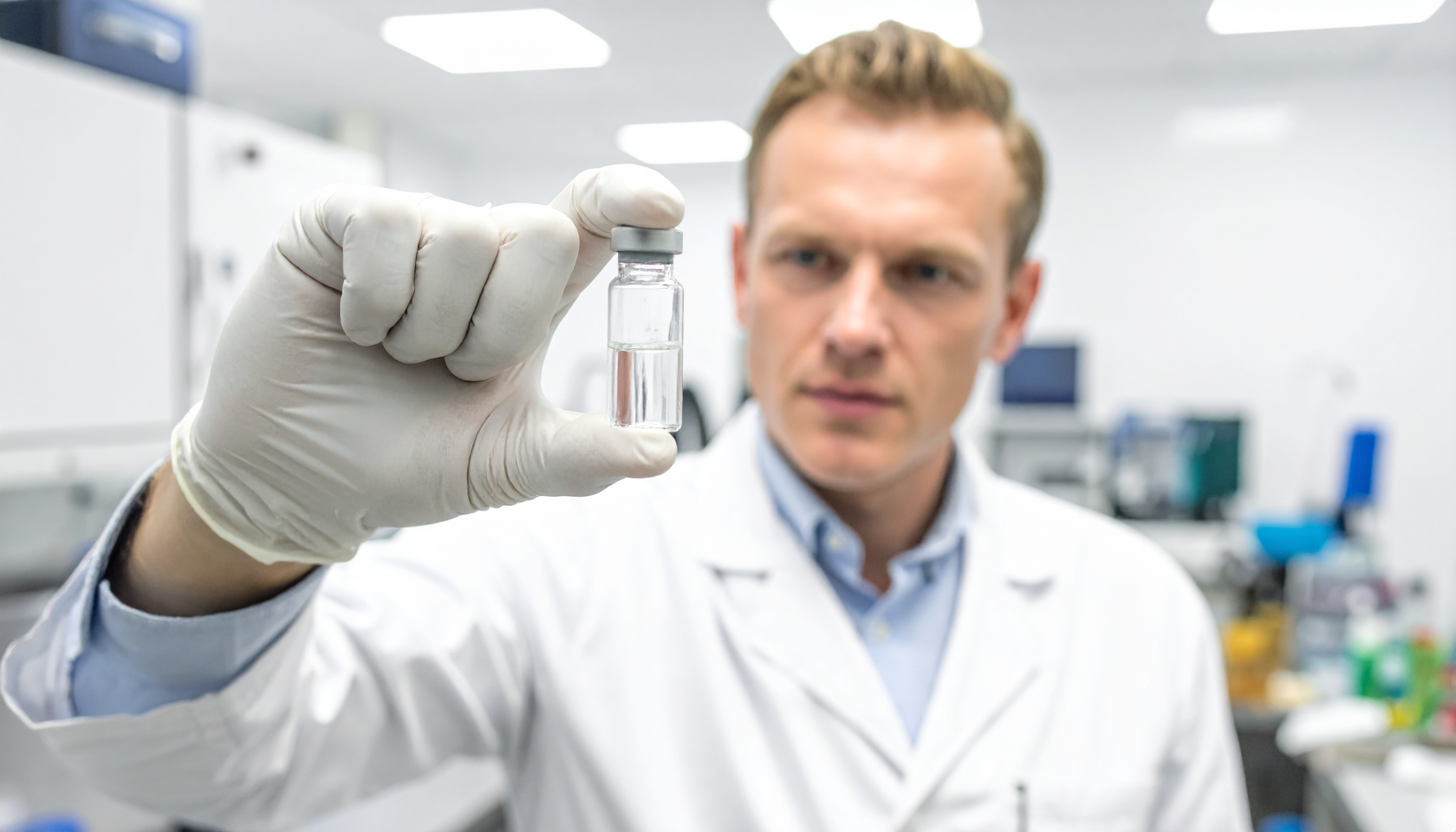

I taste every batch personally. Not just for flavor — taste can reveal problems that instruments miss. A bitter aftertaste might indicate degraded CBD. An off texture might suggest moisture problems.
My production team has authority to stop any batch if something doesn't look, smell, or feel right, even if test results are clean. Instruments are precise, but experienced humans often catch problems first.
The Tests You Should Actually Care About
When evaluating a CBD company's quality control, ask about:
Batch consistency: Do they test multiple samples from each batch, or just one? Current results: Are test results from this specific product batch, or just representative examples? Microbial testing: Are they testing for bacteria, yeast, and mold, even if not required? Storage stability: Have they tested how products perform over time under different conditions?Don't just look for test results — look for test methodology and frequency.
Why I Threw Away Those 500 Gummies
Because quality control isn't just about meeting minimum safety standards. It's about creating products I'd give to my own family.
Those gummies met every regulatory requirement. They would have been safe to consume. Most customers probably wouldn't have noticed the slight off-taste.
But I noticed. And if I noticed, some customers would too. That's not the experience I want people to have with our products.
Real quality control costs more and takes longer. It creates waste and slows down production. But it's the only way to create products that work consistently, taste good consistently, and represent your brand consistently.
Everything else is just theater.