

Full Spectrum vs Broad Spectrum CBD: Find Your Fit
Posted by Steve Schultheis on Mar 3rd 2026

Full Spectrum vs Broad Spectrum CBD: Which Is Right for You?
Walk into any CBD shop—or browse online—and you'll see products labeled "full spectrum," "broad spectrum," and "isolate." These aren't marketing buzzwords. They're fundamentally different products that work differently in your body.
Let's break down what each one actually is and how to choose.
What These Terms Actually Mean
Full Spectrum CBD
Contains all the naturally occurring compounds from the hemp plant:
- CBD (cannabidiol)
- Other cannabinoids (CBG, CBN, CBC, etc.)
- Terpenes (aromatic compounds)
- Flavonoids
- Trace amounts of THC (legally must be under 0.3%)
Think of this as the "whole plant" approach. Nothing is removed except what's necessary to isolate the oil.
Broad Spectrum CBD
Contains all the same compounds as full spectrum, with one critical exception: THC is completely removed.
You get CBD plus the supporting cannabinoids, terpenes, and flavonoids—but zero THC.
CBD Isolate
Pure CBD. Everything else has been stripped away.
It's 99%+ cannabidiol with no other hemp compounds. This is CBD in its most isolated form.
The Entourage Effect: Why This Matters
This is where formulation makes a difference.
Many experts believe that cannabinoids may be more effective when they’re used together rather than on their own—a concept often referred to as the entourage effect.
When multiple naturally occurring compounds from the hemp plant are present, they can work in harmony to support the body more effectively than a single isolated compound. Cannabinoids, terpenes, and other plant-based elements are thought to complement one another, creating a more balanced and well-rounded experience.
That’s why whole-plant formulations are often chosen for those seeking fuller, more consistent results.
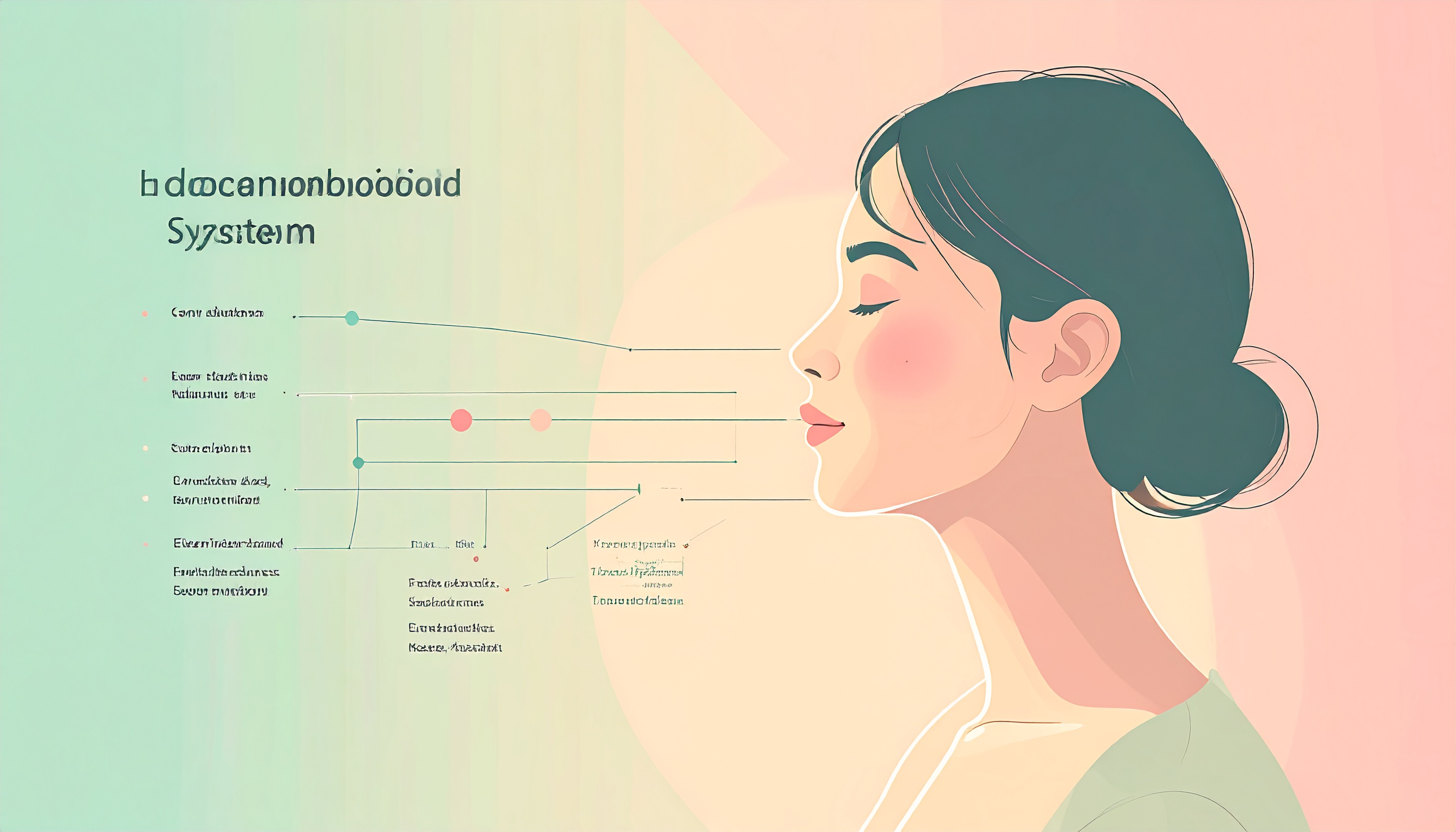
How the Entourage Effect Works
The hemp plant naturally contains a variety of compounds that each play a unique role. When these compounds are used together in full or broad-spectrum hemp extracts, they’re believed to complement one another, creating a more balanced overall experience.
-
CBD serves as the primary compound
-
Minor cannabinoids like CBG, CBC, and CBN may contribute their own supportive characteristics
-
Naturally occurring terpenes add aroma, flavor, and may influence how the compounds interact within the body
Rather than focusing on a single isolated compound, many people choose whole-plant formulations to capture the full range of naturally occurring elements found in hemp.
A helpful way to think about it is nutrition: whole foods contain a variety of naturally occurring components that work together, while isolated nutrients offer just one piece of the picture.
Full Spectrum: The Whole Plant Approach
What it means:
Full spectrum hemp products include a wide range of naturally occurring compounds found in the hemp plant, offering a more complete plant profile.
Why people choose it:
-
Supports the Entourage Effect
Full spectrum formulas preserve multiple hemp compounds that are believed to work together, creating a more well-rounded experience. -
Often Used in Smaller Amounts
Because full spectrum products contain more than just a single compound, many users find they can achieve their desired experience without needing large amounts. -
Broad, Everyday Support
Rather than focusing on one isolated compound, full spectrum products are commonly chosen by those looking to support overall balance and daily wellness.
Cons:
- Contains Trace THC: While it's less than 0.3% (not enough to get you high), it's present. This matters if:
- You're subject to drug testing
- You're extremely sensitive to THC
- You have zero-tolerance policies at work
- Stronger Taste: Full-spectrum products often have a more pronounced hemp flavor. Some people appreciate this earthiness; others find it off-putting.
- Slightly More Expensive: Processing to preserve all compounds typically costs more than isolating CBD alone.
Who Should Choose Full Spectrum:
People seeking maximum therapeutic benefit who aren't concerned about drug testing. If you want the most effective product and trace THC isn't an issue, full spectrum is typically your best choice.
Broad Spectrum: The Middle Ground
Pros:
- Entourage Effect Without THC: You get the synergistic benefits of multiple cannabinoids and terpenes, but zero THC.
- Drug Test Safe: With THC completely removed, you eliminate the (already very small) risk of testing positive.
- Balanced Approach: More effective than isolates, safer than full spectrum for anyone with THC concerns.
Cons:
- Slightly Diminished Entourage Effect: Some research suggests that even trace amounts of THC contribute to the entourage effect. You're missing that piece.
- Processing Complexity: Removing only THC while preserving everything else requires additional processing, which can sometimes affect quality if not done properly.
Who Should Choose Broad Spectrum:
Anyone who wants comprehensive benefits but needs to avoid THC entirely. This includes people subject to drug testing, those with THC sensitivity, or anyone who simply prefers zero THC for personal or professional reasons.
CBD Isolate: Pure Cannabidiol
Pros:

- Predictable Dosing: You know exactly how much CBD you're getting with no variables.
- No Taste or Smell: Isolate is flavorless and odorless, making it easy to add to food or drinks without affecting taste.
- Guaranteed THC-Free: Absolutely zero THC—no question, no concern.
- Often Cheaper: Less processing means lower production costs, sometimes reflected in the price.
- Ideal for Specific Sensitivities: Some people have adverse reactions to other cannabinoids or terpenes. Isolation eliminates these variables.
Cons:
- No Entourage Effect: You're only getting CBD, which research suggests is less effective than when combined with other hemp compounds.
- Bell Curve Response: Isolate exhibits a stronger bell curve effect—there's a narrower effective dose range, and more isn't always better.
- May Require Higher Doses: Without the entourage effect, you might need higher doses of CBD to achieve similar results.
Who Should Choose Isolate:
People with specific sensitivities to other cannabinoids, those who need guaranteed THC-free products and prefer the simplicity of pure CBD, or anyone who wants to add CBD to recipes without altering flavor.
Drug Testing: The Real Concern
Let's address this directly because it's often the deciding factor.
Full Spectrum and Drug Tests
Full-spectrum CBD contains less than 0.3% THC—a trace amount. For context, you'd need to consume massive quantities to approach intoxication.
However, can it show up on a drug test? Theoretically, yes—though it's unlikely with normal use of quality products.
Drug tests look for THC metabolites. With consistent, heavy use of full-spectrum CBD, these metabolites could accumulate enough to trigger a positive result, particularly on sensitive tests.
The Reality: Most people using recommended doses of quality full-spectrum CBD don't test positive. But if drug testing is part of your life and the consequences of a positive test are serious, the small risk might not be worth it.
Broad Spectrum and Isolate:
These should not cause positive drug tests since they contain no THC. This is your safest bet if testing is a concern.
Important Note: "Should not" doesn't mean "cannot." Other companie's poor quality products might contain more THC than labeled, or cross-contamination during manufacturing might introduce trace amounts. This is why third-party testing is crucial.
Effectiveness: What the Research Shows
Full spectrum and isolate hemp products differ in how much of the plant’s natural profile they include.
Full spectrum formulas retain a wider range of naturally occurring hemp compounds, while isolates focus on a single purified compound. Because of this, many people prefer full spectrum options for a more complete, whole-plant experience, while others choose isolates for their simplicity.
Individual preferences vary, and what works best often comes down to personal lifestyle, routine, and desired experience.
What This Means for You: If effectiveness is your primary concern and THC isn't an issue, full-spectrum typically delivers better results.
Personal Experiences: What I've Observed
After years at Steve's Goods, I've noticed patterns in how people respond:
- Full Spectrum
Full spectrum is for those who want the whole plant experience. With a broad range of natural compounds, it fits seamlessly into an everyday routine. - Broad Spectrum
Broad spectrum is perfect for anyone looking for a full-plant feel without THC. Flexible, approachable, and easy to make part of your day. - Isolate
Isolate keeps it simple. One compound, no extras—great for beginners or anyone who likes a straightforward, no-fuss approach.
How to Choose: Decision Framework
Ask yourself these questions:
- Are you subject to drug testing?
- Yes, with zero-tolerance consequences → Broad spectrum or isolate
- Yes, but unlikely or low-stakes → Broad spectrum
- No → Full spectrum
- What's your primary goal?
- Comprehensive wellness support → Full spectrum
- Specific concern (like discomfort relief) → Any form can work; start with full spectrum
- Simplicity and predictability → Isolate
- Have you used CBD before?
- No → Start with a full or broad spectrum for the best chance of effectiveness
- Yes, with good results → Stick with what works
- Yes, without results → Try a different form, particularly full spectrum if you used isolate before
- Do you have sensitivities?
- Sensitive to other cannabinoids or terpenes → Isolate
- Sensitive to THC specifically → Broad spectrum or isolate
- No known sensitivities → Full spectrum
- What's your budget?
- Looking for maximum value → Full spectrum (lower effective doses often make it more economical despite higher per-bottle cost)
- Need the most affordable option → Isolate
- Moderate budget → Broad spectrum
Can You Switch Between Types?
Absolutely, and some people do strategically.
For example:
- Full spectrum daily for comprehensive support
- Isolate for travel when you want to be extra cautious
- Broad spectrum for routine use, with isolate for adding to recipes without affecting flavor
There's no rule saying you must commit to one type forever.
Quality Matters More Than Type
Regardless of which type you choose, verify:
- Third-party lab testing (COA should be easily accessible)
- Reputable source and extraction method
- Accurate labeling
- Appropriate concentration for your needs
A contaminated or mislabeled product delivers neither the benefits you're paying for nor the safety you deserve.
The Bottom Line
Full spectrum offers maximum benefits through the entourage effect but contains trace THC.
Broad spectrum provides strong benefits without THC—the best middle ground for most people with THC concerns.
Isolate delivers pure, predictable CBD without other compounds—ideal for specific situations but potentially less effective overall.
For most people seeking comprehensive wellness benefits without drug testing concerns, full spectrum is the gold standard. If THC is a concern but you want broad benefits, broad spectrum is your answer. If you need simplicity, have specific sensitivities, or want guaranteed THC-free, isolate serves that purpose.
There's no universally "best" choice—only the best choice for your specific situation. Start with the type that matches your needs, give it consistent time to work, and adjust from there.