

What You'll Learn from our CBD Oil Guide
- Why third-party lab testing is non-negotiable (and how to actually verify it)
- How to calculate cost per milligram — the only price comparison that matters
- CO2 extraction vs. ethanol vs. hydrocarbon — which produces the purest oil
- Full-spectrum vs. broad-spectrum vs. isolate — a quick decision guide
- Red flags that indicate a company is cutting corners
The CBD market is flooded with products ranging from $20 bottles to $200 bottles, all claiming to be the best. How do you know what's actually worth your money?
After years in this industry, I've seen every corner cut, every misleading label, and every quality shortcut. I've also seen exceptional products that deliver exactly what they promise. Here's how to tell the difference.
Start With Third-Party Lab Testing (Non-Negotiable)
This is the single most important factor — more important than price, brand reputation, or marketing claims.
What Third-Party Testing Means
An independent laboratory analyzes the product to verify actual CBD content (does it match the label?), THC levels (is it within legal limits?), contaminants (pesticides, heavy metals, residual solvents, mold), and other cannabinoids present.
Why This Matters
A 2017 study published in JAMA tested 84 CBD products purchased online. The findings were alarming: 26% contained less CBD than labeled, 43% contained more CBD than labeled (inconsistency is still a problem), and 21% contained significant THC despite being labeled as THC-free. Without third-party testing, you're taking the manufacturer's word for it — and that study shows that word isn't always reliable.
How to Verify Testing
Reputable companies make this easy: QR codes on the bottle link directly to lab results, a dedicated page on their website with searchable batch numbers, results that are recent (same batch you're buying), and results that are comprehensive (not just CBD content — full cannabinoid profile and contaminant screening).
At Steve's Goods, every batch is tested and results are available on our Lab Reports page.
Hemp Source and Growing Practices
Where the hemp comes from matters. Hemp is a bioaccumulator — it absorbs whatever is in the soil, including heavy metals, pesticides, and other contaminants.
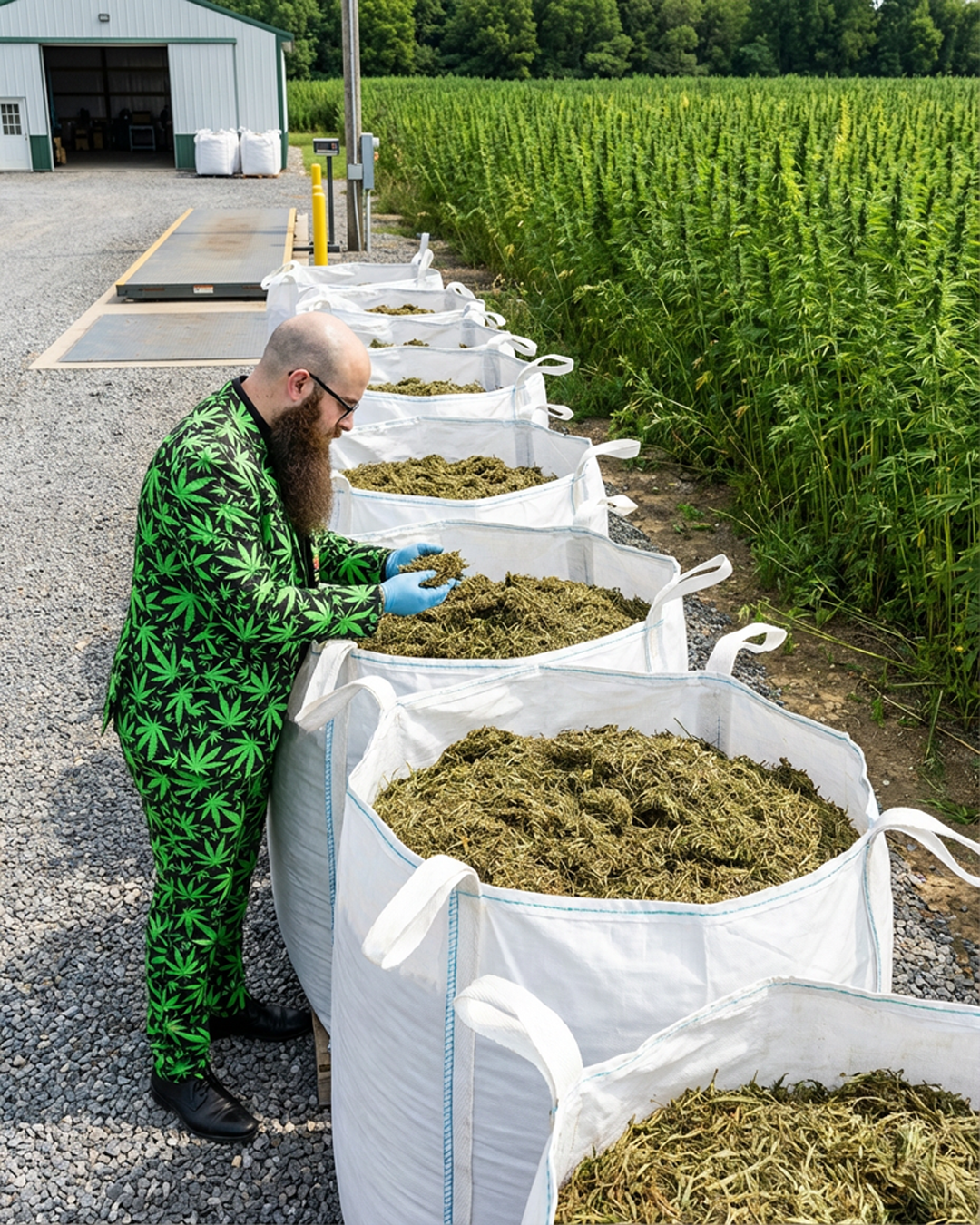
US-Grown Hemp has stricter agricultural standards than many countries. While good hemp grows elsewhere, US-grown hemp gives you more regulatory protection. Organic Certification means the hemp hasn't been exposed to synthetic pesticides or fertilizers. Not all quality hemp is certified organic (certification is expensive), but it's a good indicator. Transparent Sourcing — quality companies tell you where their hemp comes from. Vague statements like "premium hemp" without details are a red flag.
At Steve's Goods, we use Colorado-grown hemp specifically because Colorado has some of the strictest hemp regulations and ideal growing conditions. That's not marketing — it's a functional choice that affects product quality.
Extraction Method: How CBD Gets From Plant to Bottle
CO2 Extraction (The Gold Standard)
Supercritical CO2 extraction uses pressurized carbon dioxide to pull cannabinoids from hemp. It's clean, efficient, and doesn't leave chemical residue. No solvent residue, preserves the full spectrum of cannabinoids and terpenes, and produces the purest end product. The downside is expensive equipment and higher production costs.
Ethanol Extraction
Food-grade ethanol dissolves cannabinoids from plant material. When done properly, it's safe and effective and cost-effective. The downsides: if not fully purged, residual ethanol remains, and it can pull chlorophyll and other compounds that produce a bitter taste.
What to Avoid
Hydrocarbon extraction (butane, propane) carries risk of residual solvents and safety concerns. Cheap extraction methods using questionable solvents should be avoided entirely. If a company doesn't disclose its extraction method, that's a concern. CO2 extraction is your safest bet for quality and purity.
Full Spectrum vs. Broad Spectrum vs. Isolate
Full Spectrum: Maximum benefits through the entourage effect. Contains trace THC (<0.3%). Best choice for most people not concerned about drug testing.
Broad Spectrum: Entourage effect without THC. Best for anyone who needs to avoid THC entirely but wants comprehensive benefits.
Isolate: Pure CBD only. Best for those with sensitivities to other cannabinoids or who want predictable, THC-free simplicity.
For overall wellness and maximum effectiveness, full-spectrum is preferred unless you have a specific reason to avoid THC.

Concentration and Potency: Understanding the Numbers
CBD oil labels show total milligrams per bottle and often milligrams per serving.
How to Calculate Cost-Effectiveness
Don't compare bottle prices — compare cost per mg of CBD.
- $50 for 500mg = $0.10 per mg
- $80 for 1000mg = $0.08 per mg
- $120 for 2000mg = $0.06 per mg
Higher-concentration bottles often deliver better value, assuming quality is equal. Most people starting out do well with 500-1000mg bottles, which allow 15-30mg doses.
Carrier Oil, Additives, and Ingredients
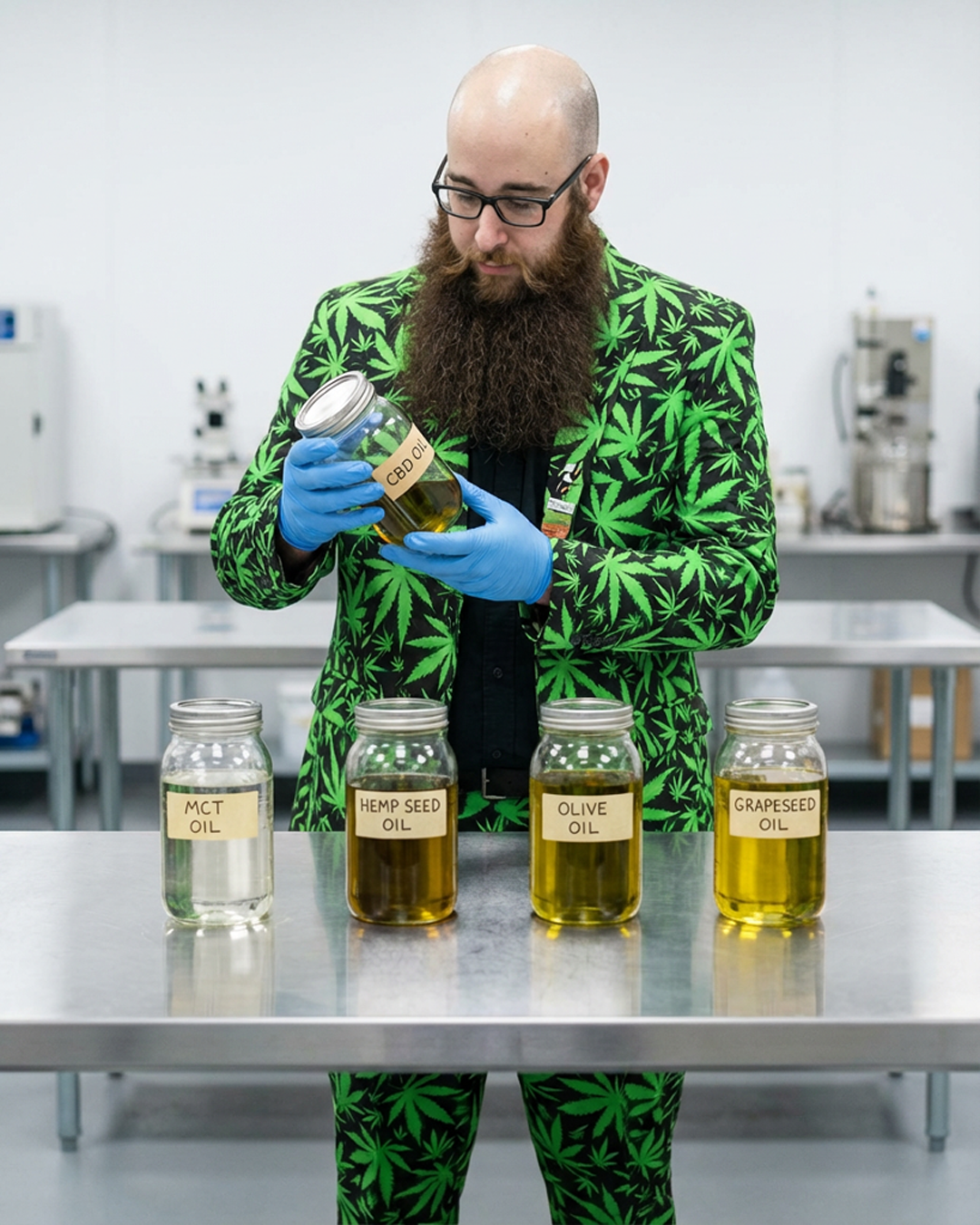
MCT Oil (from coconut) is the best carrier — flavorless and enhances CBD absorption. Hemp Seed Oil contains additional omega fatty acids but slightly lower absorption. Quality CBD oil has a short ingredient list: CBD extract and carrier oil. Maybe natural flavoring. If you see artificial flavors, colors, sweeteners, or fillers — keep looking.
Company Transparency and Reputation
Beyond the product itself, evaluate the company. Look for clear contact information (real address, phone number, responsive customer service), educational content, consistent third-party testing on every batch, realistic claims (not miracle cures), and a real return policy.
Quick Checklist Before Buying
- Can I access third-party lab results for this specific batch?
- Is the spectrum type clearly stated (full, broad, or isolate)?
- Where is the hemp grown?
- What extraction method was used?
- What's the cost per mg of CBD?
- Does the company provide clear contact information?
- Are the claims realistic and responsible?
- Is the ingredient list short and clean?
Shop CBD Oils from Steve's Goods
Colorado-grown hemp. CO2 extracted. Third-party lab tested every batch. MCT oil carrier. Since 2016.
Shop CBD OilsFrequently Asked Questions
Start with 15-25mg per day and adjust over 1-2 weeks. Most people settle between 25-50mg daily. Place drops under your tongue, hold for 60 seconds, then swallow.
Sublingually (under the tongue), 15-30 minutes. Swallowed directly, 30-60 minutes. Effects typically last 2-4 hours.
CBD oil typically maintains potency for 12-18 months when stored properly (cool, dark place, sealed). Dark glass bottles protect against light degradation. If it smells off or looks cloudy, it's time to replace it.